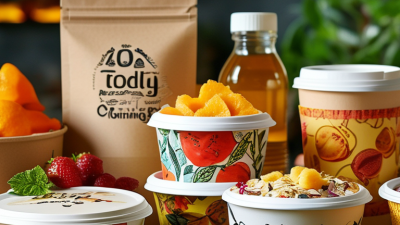
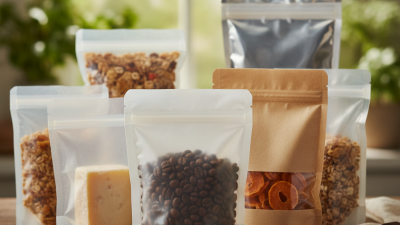
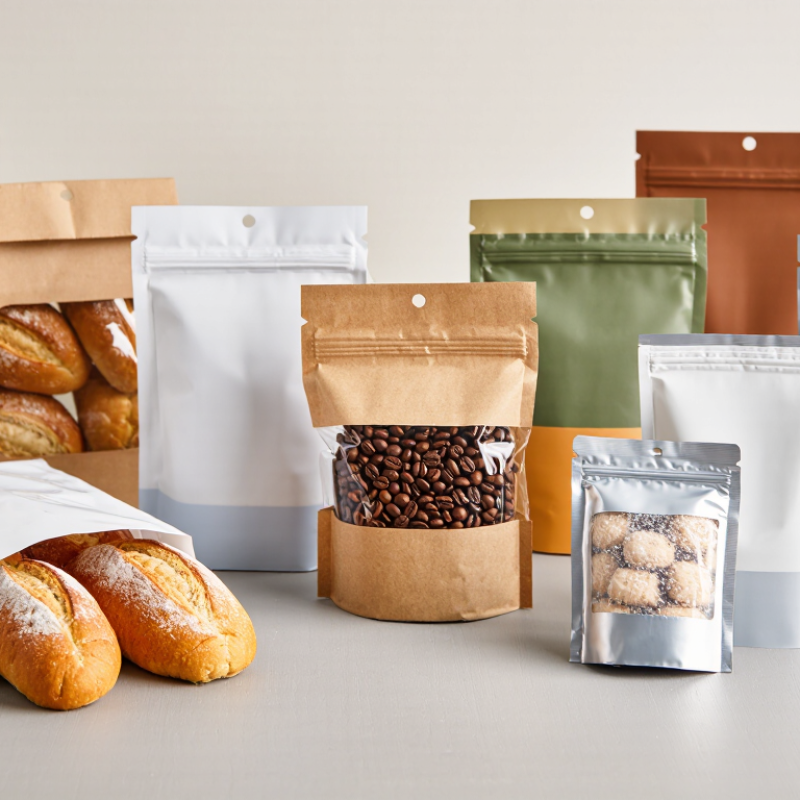
Picking the right personalized printed food packaging bag isn’t just about getting pretty colors. You want a bag that keeps your food safe, helps with branding, and performs well through storage, shipping, and display. Honestly, the decision should start with understanding your product. Think about its weight, moisture level, oil content, and how long it’s expected to stay fresh. For example, fresh baked goods need different protection compared to roasted coffee or frozen snacks. It’s the little details that really count.
Seasoned buyers usually take a closer look at the material layers, sealing strength, print quality, and how easy it is to open. Don’t be shy—ask your suppliers for food-contact certifications, samples, and test results. Make sure the packaging fits your target market’s needs. A reliable supplier will be open about where their materials come from, their printing methods, minimum order sizes, and quality control measures. And don’t just go on pretty mockups. Feel the sample, fill it up, seal it — then maybe even simulate transport and inspect how it holds up.
Brand consistency is also key. Your logo should stay clear and readable on the shelf, and the entire design should match your brand’s look and feel. Be cautious of giant graphics that might hide essential product info—that’s a common mistake. Funny enough, some buyers even search for unrelated stuff like “Personalized Extra Large Woven Straw Tote Bag Natural” — probably bad keyword planning rather than true packaging needs. This kind of thing is worth noting. No checklist is foolproof, though. Sometimes, communication with suppliers falls flat, especially if your specs are vague. So, it’s smart to get things in writing—write down sizes, tolerances, closure types, delivery expectations, all of it. Comparing samples, certifications, and how responsive your supplier is can save you from costly mistakes and give you peace of mind about your packaging investment.
Define Your Product, Quantity, and Packaging Requirements
Before ordering personalized printed food packing bags, define the product precisely. A dry biscuit needs different protection from roasted coffee or frozen snacks. Record weight, dimensions, moisture, oxygen, light, and grease sensitivity. The bag must also match the filling process and sealing temperature. Small details matter.
Tip: Test the real product.
Use a pilot batch with actual filling equipment. Check seal strength, odor transfer, print rub, and storage performance. The Flexible Packaging Association reports that flexible packaging represented about 21% of the U.S. packaging market by value in 2023. This reflects its practical efficiency, but thinner material is not automatically better. Smithers’ packaging forecasts also identify sustainability and barrier performance as major development priorities. Treat those findings as guidance, not a substitute for testing.
Tip: Calculate quantity honestly.
Estimate monthly sales, seasonal peaks, rejected units, and lead time before requesting a quotation. A low quantity may increase unit cost because cylinders, plates, setup, and color matching still require payment. A large order can create obsolete stock when recipes or regulations change. I have seen attractive bags become expensive storage problems. Ask for material samples, food-contact documentation, migration testing, and ink specifications. For outer distribution, Personalized Non Woven Tote Bags may work well, but they should not touch food unless certified for that use. The United Nations Environment Programme reported 1.05 billion tonnes of food waste in 2022, so packaging decisions should reduce damage without creating unnecessary material. Define artwork size, barcode space, recyclability targets, and pack quantity before approving the final proof.
Choose Suitable Materials for Food Safety and Product Protection
10 Tips for Buying Personalized Printed Food Packing Bags
Material choice should begin with food safety, not appearance. The WHO estimates that contaminated food causes 600 million illnesses and 420,000 deaths annually. Printed Food Bags must therefore use food-contact materials with documented compliance, migration testing, and traceable production records. Ask whether the ink stays outside the food-contact layer. Confirm that adhesives remain stable under heat, moisture, and oil exposure.
Product protection depends on the food’s real environment. Dry snacks may need moisture resistance, while roasted coffee requires oxygen and aroma barriers. For fatty foods, ordinary plastic can perform poorly. A suitable laminate or coated paper structure may protect better. FAO reported that 14% of food is lost between harvest and retail. Packaging cannot solve every loss, but the right barrier can slow spoilage and reduce crushing during transport.
Request test data for seal strength, oxygen transmission, and water vapor transmission. A bag that looks excellent may leak along one corner. Small details matter. Check the seal after filling, dropping, and storing samples at realistic temperatures. Recyclability also deserves careful review; a multilayer structure may protect food well but complicate recovery. This trade-off is often overlooked. The cheapest material may create higher waste, weaker protection, and avoidable customer complaints.
Compare Bag Styles, Sizes, Closures, and Functional Features
Buying personalized Printed Food Pouches starts with the product, not the artwork.
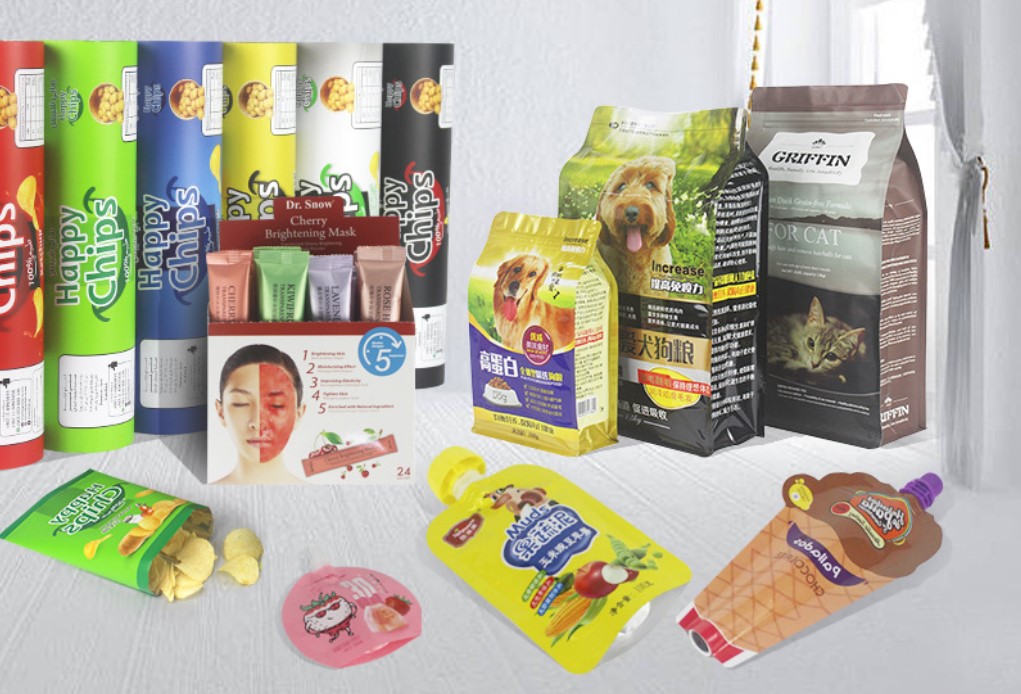
During packaging trials, I compare how each bag behaves on a real filling line. Stand-up pouches save shelf space and display labels clearly. Flat sachets suit samples, powders, and single servings. Boxed or gusseted bags hold bulky snacks more comfortably. Style changes handling. Do not choose a shape only because it looks premium. That mistake can create wasted film and awkward storage.
Size should follow portion weight, product density, and headspace. A light cereal needs more volume than dense dried fruit. Measure the filled product, then test several dimensions. Leave room for sealing. Too much empty space looks careless and increases shipping costs. Zippers help consumers reseal snacks, while tear notches support quick opening. For liquids or oily foods, inspect seal strength and leak resistance. Spouts may improve pouring, but they add cost and another failure point. Ask for samples before approving production.
Functional features should match the food’s actual risks. Choose barrier layers according to oxygen, moisture, light, and aroma sensitivity. Fresh roasted products may need stronger oxygen protection than dry crackers. Use food-contact documentation, migration tests, and clear batch specifications from the supplier. Printing must remain legible after rubbing, condensation, and transport. I once focused too heavily on color accuracy and overlooked zipper alignment. The bags looked excellent, yet several opened unevenly. Packaging decisions need evidence. Review test results with a qualified packaging professional before placing a large order.
Plan Custom Artwork, Branding, Labels, and Printing Details
Buying personalized printed food packing bags starts with the artwork, not the machine. Sketch the front panel at its real size, then test it beside a crowded shelf. Strong contrast matters. Fine lines often disappear on matte film. Grand View Research valued the global flexible packaging market at about $261 billion in 2022, showing how crowded this category has become. Your design needs recognition within seconds.
Keep the logo, product name, flavor, net weight, ingredients, allergens, and storage directions clearly separated. Use approved food-contact inks and confirm the film structure with your converter. The Smithers report The Future of Digital Print for Packaging to 2028 identifies shorter runs and variable designs as important growth areas. Digital printing may suit seasonal artwork, but it can cost more per bag. Small batches help testing. They do not always reduce waste.
Request a physical proof before approving production. Check color under daylight, retail lighting, and kitchen lighting. Ask for rub, seal-strength, migration, and barrier test results. A weak seal ruins excellent artwork. I once focused too heavily on color accuracy and overlooked the zipper area. That mistake was expensive. Leave enough quiet space for labels and date coding. Avoid claims that require evidence. A simple design may perform better, although that is not guaranteed.
Verify Suppliers, Samples, Certifications, and Production Quality
Buying Printed Food Packaging Bags requires more than comparing prices and attractive artwork. Start by verifying the supplier’s legal business details, factory address, production equipment, and quality-control process. Ask for recent audit records, food-contact declarations, and certificates relevant to your target market. Documents can expire, so check their issue dates and testing laboratories.
Request physical samples before approving a large order. Inspect the seal by filling a bag with rice, turning it upside down, and pressing the edges gently. Check for pinholes, weak seams, ink odor, color variation, and poor cutting. Rub the printed surface with a damp cloth to identify possible smearing. A sample may look excellent while hiding production weaknesses. It is worth testing several batches, not just one.
Production quality should be confirmed through written specifications. Include material structure, thickness, dimensions, print colors, sealing temperature, and acceptable defect limits. Ask whether operators record temperature, pressure, and inspection results during production. Independent laboratory testing may be needed for migration, chemical safety, and barrier performance. Requirements differ by country, so local regulatory advice matters. I once focused too heavily on appearance and overlooked inconsistent seals. That mistake changed my inspection checklist. It also reminded me that supplier promises need evidence, not confidence alone. Keep approved samples, test reports, and signed specifications for comparison during mass production.
Review Pricing, Minimum Orders, Delivery Times, and Sustainability
10 Tips for Buying Personalized Printed Food Packing Bags
Custom food bags look simple, but the quotation rarely tells the whole story. Ask whether the price includes cylinders, plates, proofing, shipping, and food-contact testing. Request a written quote with bag size, material thickness, printing colors, and finishing details. A cheaper unit price may hide setup fees. I once approved a low quote too quickly, then discovered extra charges for artwork changes. That mistake changed my buying checklist.
Compare minimum order quantities with your real sales forecast. A large order can reduce the unit cost, but unused bags occupy valuable storage space. Ask whether the supplier can offer a small trial batch. Confirm delivery times for samples, production, inspection, and transport separately. Keep a buffer for holiday congestion. Get the production timeline in writing. “Fast delivery” is not specific enough.
Sustainability needs evidence, not attractive language. Ask about recyclable structures, recycled content, water-based or low-impact inks, and material weight. Check whether the finished bag is accepted by recycling systems in your target market. Request relevant test reports and food-contact documentation. Compostable packaging may require special facilities, which many customers cannot access. I still find sustainability comparisons difficult because disposal conditions vary. That uncertainty deserves honest discussion. Review the supplier’s waste controls, packing method, and shipment distance before deciding. A responsible choice balances price, performance, safety, and measurable environmental impact.
Customized Printed Moisture-Proof Snack Packaging Bags: Market Insights from Grand View Research and Smithers Reports
Customized printed moisture-proof snack packaging bags are gaining attention as food manufacturers seek practical solutions for freshness, logistics, and shelf presentation. Grand View Research identifies food packaging as a major application for flexible packaging, supported by demand for lightweight materials and improved barrier performance. Smithers’ industry outlook similarly highlights the continued shift from rigid containers to flexible formats because they use fewer materials and can reduce packaging weight. These trends support the use of aluminum-foil and plastic laminates for snacks requiring protection from moisture, oxygen, light, and external odors.
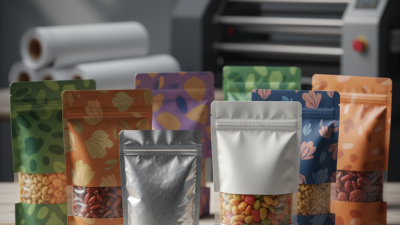
A laminated structure can help preserve the texture and flavor of chips, nuts, dried fruit, and other products during storage and transportation. Resealable zipper options allow consumers to close the bag after opening, helping reduce exposure to humidity and limiting premature spoilage. Custom printing also provides space for product information, preparation guidance, and attractive graphics while maintaining a professional appearance on retail shelves.
Composite plastic snack bags can be produced in flexible sizes and shapes, allowing more efficient use of warehouse and shipping space than many rigid alternatives. Their lower volume and lighter weight may help reduce handling and transportation costs, while customized dimensions support different serving sizes and product formats. As reported by both Grand View Research and Smithers, these efficiency and barrier advantages are key factors behind the expanding role of flexible packaging in the global food industry.
FAQS
Start with food-contact safety, not appearance. Confirm documented compliance, migration tests, and traceable production records. Safety comes first.
Dry snacks need moisture resistance. Roasted coffee needs oxygen and aroma barriers. Fatty foods may require laminate or coated paper structures.
Ask for seal-strength, oxygen-transmission, and water-vapor-transmission data. Test filled bags after dropping and storage. Small leaks matter.
Fill a sample with rice and turn it upside down. Press the seams gently. Check pinholes, weak edges, odors, smearing, and uneven colors.
Review legal business details, factory information, audit records, food-contact declarations, and relevant certificates. Check issue dates and testing laboratories.
Include material structure, thickness, dimensions, colors, sealing temperature, and defect limits. Keep approved samples and signed specifications for comparison.
Ask whether cylinders, plates, proofing, shipping, testing, and artwork changes are included. A low unit price may hide setup charges.
Compare the minimum order with your sales forecast and storage space. Ask for a trial batch. Separate sample, production, inspection, and transport schedules.
Ask about recyclable structures, recycled content, ink type, material weight, and waste controls. Check local recycling acceptance. Compostable packaging may need special facilities. The comparison is imperfect.
Conclusion
Buying a Personalized Printed Food Packing Bag requires careful planning to balance food safety, product protection, appearance, and cost. Start by defining the product type, filling quantity, storage conditions, and packaging purpose. Then choose suitable food-safe materials that provide the right barrier against moisture, oxygen, light, or odors. Compare bag styles, dimensions, closures, and practical features such as resealable zippers, tear notches, windows, or easy-open designs to match customer needs.
Before placing an order, prepare clear artwork, branding, label information, colors, and printing requirements. Evaluate suppliers by requesting samples, checking relevant certifications, and reviewing production quality. It is also important to compare pricing, minimum order quantities, lead times, and shipping arrangements. Finally, consider recyclable or reduced-material options where they are appropriate for the product. A well-planned Personalized Printed Food Packing Bag can improve presentation, maintain product quality, and support a consistent, professional packaging strategy.