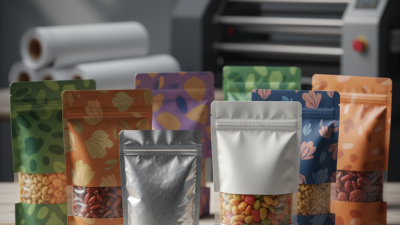
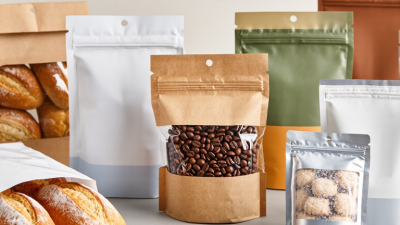
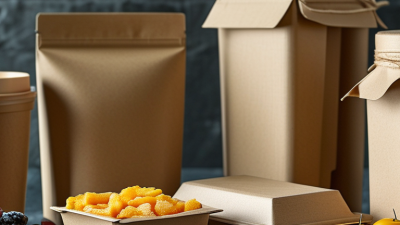
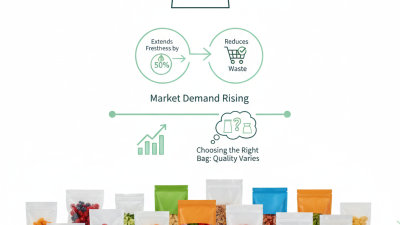
When you're looking to source a printed chip food pouch in 2026, it's not just about catchy artwork or getting a good quote. The pouch has to do quite a bit—it needs to keep chips crisp, stop oil from seeping through, and stay sealed tight during filling, transport, and sitting on the shelf. So, it’s a smart move to dig into barrier data, understand the film's structure, check if the inks are food-safe, test the zipper performance, and review food-contact documentation. Basically, little details really do matter—an iffy seal can mess up an entire production run, no joke.
Dr. Aaron L. Brody, a well-respected expert in food packaging, once said, “The package is the product.” And honestly, that still hits home today, especially when you're sourcing snacks or similar stuff. A solid supplier should be upfront about why they choose certain materials, share recent test reports, and be ready to do some realistic trial runs. Don't forget to ask about minimum order quantities, charges for cylinders or plates, how they handle color matching, lead times, and their process for fixing issues if things go wrong. And just relying on digital proofs? Not enough. Make sure to hold the sample in store lighting, bend it, sniff it—yeah, smell it—and really inspect that seal up close.
The same rules apply when you're comparing different formats, like a logo-printed plastic pet food pouch. Sure, the applications might differ, but transparency from your supplier, consistent printing, and packaging integrity are all super important. And hey, given that it’s 2026, recyclability is a big deal too. Don’t just buy into marketing claims—sometimes local recycling systems aren’t equipped to support certain approaches, so it’s best to have an honest chat about that.
Of course, some sourcing choices aren’t perfect. For instance, a packaging structure that's super recyclable might not offer the best barrier protection or could end up costing more. Or a fancy, premium finish might complicate recycling efforts. So, it’s really a balancing act—trying to protect the product, making it look good, staying compliant, and keeping costs in check. This guide is all about helping you figure out how to pick the right printed chip food pouch supplier for 2026 without too many headaches.
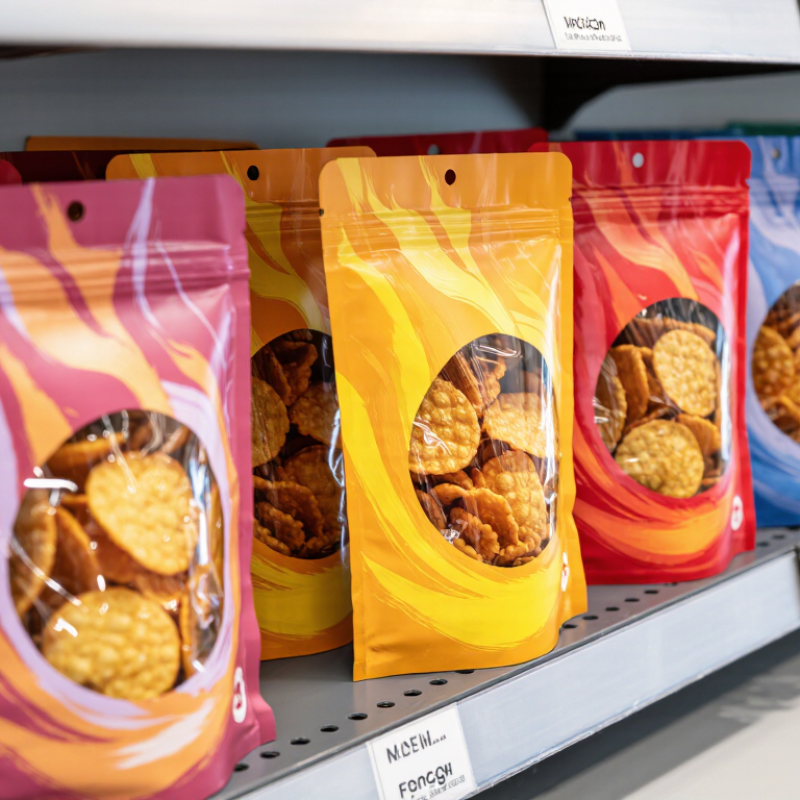
Define the requirements before contacting pouch suppliers. Record the chip weight, pouch dimensions, filling method, and expected monthly volume. A 100-gram pouch may need different film strength than a family-size pack. Specify whether the pouch uses a flat bottom, side gusset, or stand-up structure. Include the target shelf life and storage conditions. Heat, humidity, and oxygen exposure can affect crispness. Do not choose material by appearance alone. A glossy finish can hide weak sealing performance.
Ask for the proposed film structure, barrier data, seal temperature range, and print process. Request samples with the actual artwork, not only blank pouches. Check registration, color consistency, zipper alignment, seal width, and odor after opening. Food-contact documentation and migration test reports should be available for the intended market. Experienced sourcing teams also confirm tolerances, carton packing, lead times, and replacement procedures. I have seen attractive samples fail during high-speed filling. That mistake is expensive.
Tips
Prepare a one-page specification sheet. Add pouch drawings with measurements. State acceptable color variation and sealing limits. Test filled samples for drops, pressure, and storage. Ask how leftover printed film will be controlled. Confirm the minimum order quantity before approving artwork. A small pilot run may reveal problems early, although it can cost more per pouch. Recheck every assumption. Some requirements look clear until production begins.
Potato chips need protection from oxygen, moisture, light, and crushing. A weak barrier can leave chips soft before the printed pouch reaches retail shelves. The Flexible Packaging Association’s 2023 State of Flexible Packaging Industry Report valued flexible packaging at 21% of the United States packaging market and 15% by weight. That efficiency matters, but lighter packaging only works when product protection remains reliable.
For standard fried snacks, compare PET/PE, metallized PET/PE, and foil-based laminates. PET supports sharp printing and stiffness. PE provides heat-sealable inner contact. Metallized PET offers strong light and oxygen protection with less material than foil. Foil gives excellent barrier performance, but it may complicate recycling routes. Some suppliers also offer mono-material PE structures, although their barrier performance may require coatings or thicker films. These options are not interchangeable.
Request oxygen transmission rate, water vapor transmission rate, seal strength, and drop-test results. Ask for testing under realistic humidity and temperature conditions. “Food grade” alone is not enough. Confirm ink adhesion, migration documentation, and seal integrity after filling. ASTM D3985 and ASTM F1249 can support oxygen and moisture testing. The UNEP Food Waste Index Report 2024 estimated 1.05 billion tonnes of food waste in 2022, so packaging performance deserves careful measurement. My sourcing experience suggests that a glossy pouch can look excellent and still fail at the seal. The specification will not be perfect at the first trial. Run filled-pouch tests, inspect broken seals, and revise the structure before ordering large volumes.
When sourcing printed chip pouches for 2026, define the artwork before requesting quotations.
The pouch structure, print method, and finish directly affect color, price, and shelf impact. Smithers’ report, The Future of Global Flexible Packaging to 2029, projects continued growth for flexible formats, increasing competition for reliable converters. Your specification must therefore remove guesswork.
For a Logo Printed Three-Side Sealed Food Pouch, provide a measured dieline with seal zones, tear-notch position, zipper details, and barcode quiet space. State the substrate, thickness, opacity, and preferred finish. Matte film reduces glare, while gloss film makes dark colors look deeper. Specify CMYK or spot colors using a recognized color reference. Ask for a physical press proof. Digital approval can hide ink density problems.
The Flexible Packaging Association reported approximately 39.8 billion dollars in U.S. flexible packaging sales in 2023, showing the scale of this supply chain. Use that scale carefully. Request ink migration statements, food-contact documentation, and print-registration tolerances. Include minimum text size and a clear contrast requirement for nutrition panels. Small errors matter. I still allow extra space around critical artwork, because real sealing can trim closer than expected. Artwork files should include editable vectors, linked images, fonts converted to outlines, and a version number. Confirm whether the converter checks scannability after printing. Do not assume it. A beautiful pouch can still fail at the checkout scanner.
Finding a qualified pouch supplier requires more than comparing unit prices. Smithers’ 2024 flexible packaging report estimates the global market will exceed US$200 billion by 2028. This growth attracts new converters, but capacity does not prove reliability. Request a recent food-contact declaration, migration test, factory audit, and traceability procedure. Ask where the film, ink, adhesive, and zipper are produced. A polished sample can hide weak controls.
For chip packaging, test oxygen transmission, moisture transmission, seal strength, and puncture resistance. The Printed Pouch Roll should arrive with documented roll width, repeat length, core size, splice limits, and print color tolerances. Request production samples, not only digital mockups. Run them through your filling line. Watch for wrinkled seals, ink scuffing, and uneven registration. Small defects become expensive quickly.
Supplier evaluation should also include lead time, minimum order quantity, complaint response, and backup capacity. PMMI’s 2024 packaging outlook highlights continued investment in automation and supply-chain resilience, yet smaller suppliers may still lack contingency planning.
I would score each supplier against the same checklist and verify claims through references. My own weak point is trusting technical documents too early. A factory visit or live video audit often reveals more than a presentation. Ask uncomfortable questions. Then record every answer.
For printed chip food pouches, compare the full quote, not just the price per pouch. The Flexible Packaging Association’s 2023 State of the U.S. Flexible Packaging Industry report valued U.S. flexible-packaging sales at $42.9 billion in 2022, about 21% of the packaging market. That figure shows the sector’s scale, but it cannot predict your order price. Ask suppliers to itemize film structure, printing plates, setup fees, freight, and any charges for artwork changes. A low unit price can hide costly setup.
Minimum order quantities vary with printing method, pouch size, and material availability. Digital printing may suit a small trial run, while conventional printing can reduce unit costs at higher volumes but may require more upfront spending. Request quotes at three quantities, such as 5,000, 20,000, and 50,000 pouches. For production timelines, ask for separate estimates for proof approval, material procurement, printing, pouch conversion, and shipping. Get the start date and delay assumptions in writing. Timelines are supplier-specific.
Tip: Send the same artwork, dimensions, barrier needs, and delivery address to each supplier. Compare matching specifications. I’ve seen a small detail, like a late color approval, throw off a launch plan; it is easy to underestimate. Keep a buffer, and confirm whether samples count toward the minimum order.
Verify Samples, Compliance, and Final Product Quality
Printed Food Pouches should be judged as finished packaging, not just attractive artwork. The Flexible Packaging Association’s 2023 State of the U.S. Flexible Packaging Industry report estimated industry sales at $42.9 billion in 2022. That figure shows the sector’s scale, but it does not certify any pouch’s safety or performance. Request a sample made with the exact film, ink, adhesive, and zipper specified for production. Check print registration, color consistency, odor, and whether the seal stays clean when crumbs or oil reach its edge.
Test the details. Ask for seal-strength results, such as ASTM F88 testing where suitable, and run filled-pouch drop and leak checks. A sample can look perfect and still fail on a warm delivery route. Request food-contact compliance documents and migration data for the intended food type, storage conditions, and sales markets. Confirm that reports match the actual material structure, not a similar stock film. This paperwork can be tedious. It matters.
Tips: Keep an approved, dated sample as your reference. Compare production pouches against it, then inspect seals and print across multiple cartons. Record defects with photos and lot numbers. If a supplier cannot explain a test result plainly, pause before approving the run. That pause may feel excessive, but a pretty pouch is not proof.
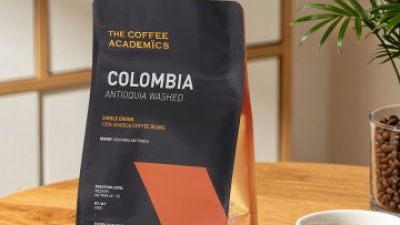
Wholesale buyers are increasingly seeking coffee bean bags that combine shelf visibility with dependable freshness protection. Grand View Research’s 2024 coffee-packaging analysis points to growing demand for convenient, protective formats, while the International Coffee Organization estimated global coffee consumption at 177.0 million 60-kilogram bags in 2023/24, up 2.2% year over year. For roasters and distributors, resealable, light-resistant pouches offer a practical way to protect beans after opening and present product information clearly at retail.
Custom color printing, with gravure capability of up to 11 colors, supports detailed graphics across a range of designs. PET/VMPET/PE and PET/AL/PE structures can be selected to suit packaging and barrier requirements, with thicknesses from 100 to 230 microns. Bags are heat-sealed and available in customized colors; recyclable options can be specified for the intended material structure. Wholesale orders have a minimum of 50,000 pieces per design and size, with a typical lead time of 15–20 days, supporting planned production for coffee brands and private-label programs.
Record chip weight, pouch dimensions, filling method, monthly volume, structure, shelf life, and storage conditions. Details matter.
Common options include flat-bottom, side-gusset, and stand-up pouches. A family-size pouch may need stronger film.
Request the film structure, barrier data, sealing temperature range, printing method, and food-contact documentation.
Filled samples reveal sealing, odor, zipper alignment, color registration, and drop resistance. Blank samples can hide problems.
Test filled pouches under drops, pressure, heat, humidity, and storage conditions. Crispness may change over time.
Compare film, printing plates, setup, freight, artwork changes, and unit prices. A cheap quote may hide setup costs.
Ask for quotes at 5,000, 20,000, and 50,000 pouches. Digital printing may suit smaller trials.
Request separate estimates for proof approval, material purchasing, printing, conversion, and shipping. Keep a buffer.
Check color variation, registration, seal width, zipper position, carton packing, and leftover printed film control.
A pilot run can expose problems early, although each pouch may cost more. I might still miss something. Recheck assumptions.
Sourcing a Printed Chip Food Pouch in 2026 starts with defining the product’s needs: pouch size, chip quantity, storage conditions, shelf-life goals, and preferred features such as a resealable closure. These requirements help guide the choice of packaging materials and barrier structure, which should protect the chips from moisture, oxygen, and light while remaining suitable for the intended use.
Next, prepare clear artwork and printing specifications, including colors, finish, and placement of required product information. Identify suppliers with relevant packaging experience, then compare their capabilities, pricing, minimum order quantities, and production timelines. Before committing to a full order, review physical samples, confirm that materials and product information meet applicable requirements, and inspect print quality, pouch construction, seals, and overall consistency. A structured evaluation helps reduce uncertainty and ensures the final pouch aligns with product, branding, and operational needs.