Welcome to our company

Leave Your Message
0%

In the fast-moving world of food packaging, picking the right materials is more important than ever. One product that really stands out is the Moisture Proof Printed Food Bag. It plays a big role in keeping food fresh and good quality—especially nowadays when folks are more concerned about wasting food. Honestly, its effectiveness is pretty hard to beat.

These bags are designed specifically to keep moisture out, helping prevent spoilage and actually extending the shelf life of products. That’s a win for both store owners and us shoppers. Companies know how crucial good packaging is, and many turn to these moisture-proof printed bags for that reliable protection. It shows they’re serious about quality and doing their part for sustainability too.

But here’s the thing—not all of these bags are created equal. It’s super important to look at what materials they’re made from, especially because the environment is a growing concern. Some brands might focus more on how the bags look rather than how well they work—which isn’t ideal. Consumers should aim to choose brands that strike a good balance between nice design and sturdy, reliable protection. With so many options out there, understanding the benefits of these kinds of packaging can really help you make smarter, more informed choices.
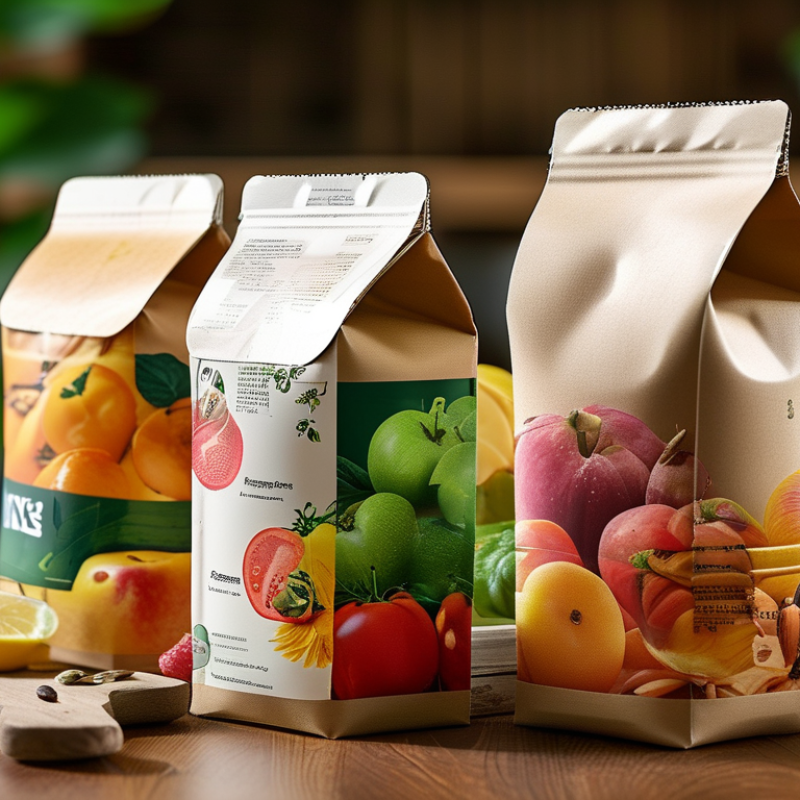
What is a Moisture Proof Printed Food Bag and its Benefits?

What Defines a Moisture Proof Printed Food Bag?

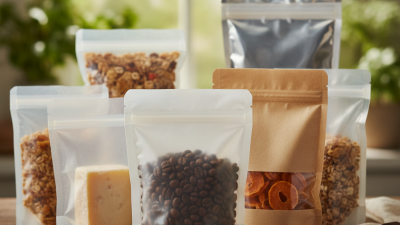
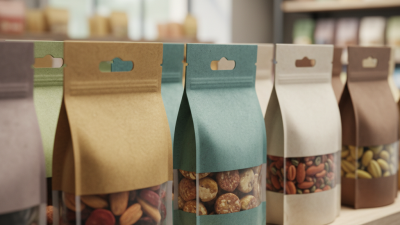
A moisture proof printed food bag is specially designed to keep food fresh. It uses advanced materials that prevent water and moisture from entering. This feature is essential for preserving the taste and quality of various food items. Proper sealing and moisture resistance reduce spoilage, benefiting both manufacturers and consumers.

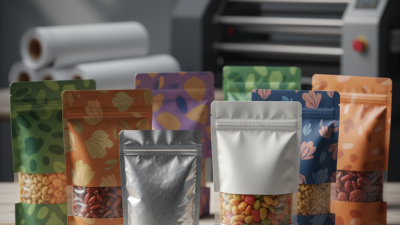
When evaluating a moisture proof printed food bag, consider its material. Materials like polyethylene and polypropylene are effective barriers against moisture. Additionally, printing techniques play a role in branding and visibility. Clear labels help consumers quickly identify products, which enhances their shopping experience.

Choosing the right bag can impact product longevity. Here are some tips for optimal use: Always store food in a cool, dry place to further enhance preservation. Ensure the bag is sealed tightly to maintain freshness. Regularly check for any signs of wear; damaged bags may compromise food quality. Rethink your packaging choices to align with sustainability goals.

Key Materials Used in Moisture Proof Food Bag Production

Moisture-proof food bags are essential in preserving the quality of food products. The materials used in producing these bags play a crucial role in their effectiveness. Common materials include polyethylene (PE), polypropylene (PP), and barrier films. These materials are chosen for their ability to resist moisture and extend shelf life. According to a report by Smithers Pira, the flexible packaging market is expected to grow at a CAGR of 4.3% by 2024, highlighting the rising demand for such solutions.

Barrier films are particularly noteworthy. They provide resistance not only to moisture but also to oxygen and light, which are significant factors in food degradation. For a Moisture-Proof Three-Side Sealed Food Packaging Bag, multi-layer films combining PE and aluminum are often used. These layers create a strong barrier, helping maintain flavor and texture. A study published by Packaging Strategies indicated that 75% of consumers prefer packaging that prolongs freshness. This statistic underscores the importance of selecting the right materials.

There are challenges too. The environmental impact of plastic waste raises concerns. Innovations in biodegradable materials are underway. However, these alternatives may not yet offer the same level of moisture-proofing as traditional materials. Balancing sustainability with packaging performance remains an industry challenge. Addressing this issue with new materials could significantly impact future food packaging solutions.

Industry Standards for Moisture Barrier Properties in Food Packaging

Moisture barrier properties are critical in food packaging. They help maintain the quality and freshness of food products. A proper moisture-proof printed food bag offers an effective solution. This type of packaging is designed to prevent moisture from entering and damaging the contents.

Industry standards set clear guidelines for these barriers. They define how much moisture a packaging material can resist over time. Testing procedures often measure water vapor transmission rates. The lower the rate, the better the protection. Ensuring compliance with these standards is essential for food safety. Each product packaged in a Moisture-Proof Woven Sack must meet these rigorous norms. Variability can lead to spoilage and waste.

However, it is still challenging to achieve perfect moisture resistance. Some materials may perform well initially but degrade over time. This brings uncertainty to the long-term storage of food products. Continuous improvement and innovation in packaging materials are needed. This approach ensures that the best practices are followed in creating durable and reliable moisture-proof bags.

Advantages of Using Moisture Proof Bags in Food Preservation

Moisture proof printed food bags have become essential in food preservation. They are designed to protect contents from moisture, extending shelf life significantly. According to industry reports, using moisture resistant packaging can increase food freshness by 30% or more. This is crucial for both businesses and consumers aiming to minimize food waste.

Food preservation with moisture proof bags helps maintain flavor and texture. By forming a barrier against humidity, these bags prevent spoilage and contamination. A study indicates that around 20% of food loss occurs due to improper storage. Using an Oil-Proof Three-Side Sealed Food Bag can help mitigate this issue effectively.

For optimal results, consider vacuum sealing your items before placing them into these bags. Ensure the bags are clean and dry before use. Moreover, always check the bag integrity to avoid leaks. These small steps can make a huge difference in maintaining food quality.

Economic Impact of Moisture Proof Bags on Food Supply Chain Efficiency

Moisture proof printed food bags play a crucial role in modern food supply chains. Their specialized material prevents moisture from compromising food quality. This feature extends shelf life, reducing waste significantly. Studies suggest that implementing these bags can decrease spoilage by up to 30%. This kind of efficiency directly impacts profitability.

The economic implications are profound. By enhancing product longevity, businesses can better manage inventory. A report from the Food Packaging Association highlights that moisture-proof packaging can lead to a 25% reduction in transportation costs. This is largely due to lighter weight and improved packing density. Additionally, the reduced need for preservatives lowers production costs.

However, challenges remain. The initial investment in moisture-proof technology may deter some small businesses. Concerns about environmental sustainability are also valid. How will these bags be recycled or disposed of? Addressing these questions is essential for long-term adoption. The balance between cost, efficiency, and environmental impact must be carefully considered in future packaging solutions.

Economic Impact of Moisture Proof Bags on Food Supply Chain Efficiency

The chart illustrates the economic impact of moisture proof bags on food supply chain efficiency over a three-year period. It shows significant increases in food shelf life and a marked reduction in food waste, highlighting the benefits of adopting moisture proof packaging in addressing food preservation challenges.

Consumer Preference Trends for Moisture Resistant Packaging Solutions

Consumer preferences are shifting towards moisture-resistant packaging as awareness of food preservation increases. According to a recent report from Smithers Pira, nearly 68% of consumers prefer packaging that extends the shelf life of food products. This trend is partly driven by rising concerns about food waste. Moisture proof printed food bags play a crucial role in maintaining product freshness and quality.

The demand for sustainable and moisture-resistant packaging solutions reflects an evolving market. In fact, data show that approximately 45% of consumers are willing to pay more for packaging that boasts superior functionality. These bags help prevent spoilage while also being eco-friendly. The use of biodegradable materials in combination with moisture-resistant technology is gaining popularity. Still, challenges remain in balancing durability with environmental impact.

As manufacturers adapt to these changing preferences, the focus is on developing innovative designs. Companies are exploring various moisture barrier technologies to meet customer expectations. However, some of these solutions can lead to higher production costs. This creates dilemmas for brands trying to keep prices competitive while ensuring quality. Engaging with consumer feedback is essential to refine these packaging options.

Environmental Considerations in the Production of Moisture Proof Bags

The production of moisture-proof printed food bags raises important environmental considerations. These bags play a crucial role in preserving food quality while minimizing spoilage. However, the materials used can significantly impact the environment. In 2022, it was reported that around 40% of plastic waste stems from packaging materials. This figure highlights the pressing need for brands to adopt sustainable practices.

Creating moisture-proof bags often involves synthetic materials, which can take hundreds of years to decompose. The eco-friendly alternatives, like biodegradable films, are gaining traction. Reports show that these materials can reduce production emissions by 30%. Still, many companies struggle with high costs and availability. Finding a balance between functionality and sustainability is an ongoing challenge.

When choosing products like Oil Proof Paper Bags, consider sourcing from manufacturers committed to environmental standards. Some tips include looking for certifications that ensure the use of recycled or sustainably sourced materials. Check if they offer transparent information about their production processes. Engaging in consumer advocacy can push manufacturers to adopt greener practices. This collective effort could reshape the industry for the better.

What is a Moisture Proof Printed Food Bag and its Benefits? - Environmental Considerations in the Production of Moisture Proof Bags

Feature Description Benefits
Material Typically made from laminated films or polyethylene. Ensures food freshness and prevents moisture-related spoilage.
Printability High-quality printing for branding and information display. Enhances product visibility and consumer appeal.
Recyclability Made from materials that can often be recycled after use. Reduces environmental impact and supports sustainability efforts.
Barrier Properties Excellent moisture and oxygen barriers. Extends shelf life and maintains flavor integrity.
Cost Effectiveness Competitive pricing compared to other packaging methods. Improves overall profitability for manufacturers.

FAQS

: What is a moisture proof printed food bag?

: It keeps food fresh and blocks moisture. This enhances taste and quality in food items.

What materials are ideal for these bags?

Polyethylene and polypropylene are effective against moisture. They create strong barriers.

How does packaging affect food longevity?

Right packaging helps preserve freshness. A tight seal is essential for optimal results.

What should I check before using a food bag?

Always examine for signs of wear. Damaged bags can harm food quality and safety.

How do industry standards help in food packaging?

They set guidelines for moisture resistance. Compliance is vital for maintaining food safety.

What tests measure moisture barrier properties?

Water vapor transmission rates are commonly tested. Lower rates indicate better protection.

Can a bag’s moisture resistance change over time?

Yes, some materials degrade, impacting long-term storage. This uncertainty is a concern.

What can I do to enhance food preservation?

Store food in cool, dry places. Regularly ensure bags are fully sealed.

Is perfect moisture resistance achievable?

It remains a challenge. Continuous innovation in materials is necessary to improve performance.

How can I align my packaging choices with sustainability goals?

Rethink material use and consider more sustainable options. Awareness and change are needed.

Conclusion

A Moisture Proof Printed Food Bag is designed to protect food products from moisture, thereby extending their shelf life and maintaining quality. These bags are typically made from specialized materials that offer superior moisture barrier properties, meeting the industry's standards for food safety. The benefits of using these bags include enhanced food preservation, which can lead to reduced waste and improved supply chain efficiency. Furthermore, consumer preferences are shifting toward moisture-resistant packaging solutions, highlighting the growing demand for reliable food packaging.

In addition to the advantages for food preservation and efficiency, it is essential to consider the environmental impacts of producing Moisture Proof Printed Food Bags. As the industry evolves, sustainable practices in manufacturing processes are becoming a focal point for manufacturers aiming to balance functionality with environmental responsibility. Overall, the Moisture Proof Printed Food Bag represents a significant advancement in food packaging, catering to both consumer needs and ecological considerations.
Sophia

Sophia

Sophia is a dedicated marketing professional at Shandong Jike International Trade Co., Ltd., a state-owned enterprise specializing in food packaging and printing. With a deep understanding of the company's core products, which include food-grade flexible packaging, pet food packaging, polyethylene......
Previous Top 7 Benefits of Eight Side Seal Printed Food Bag?