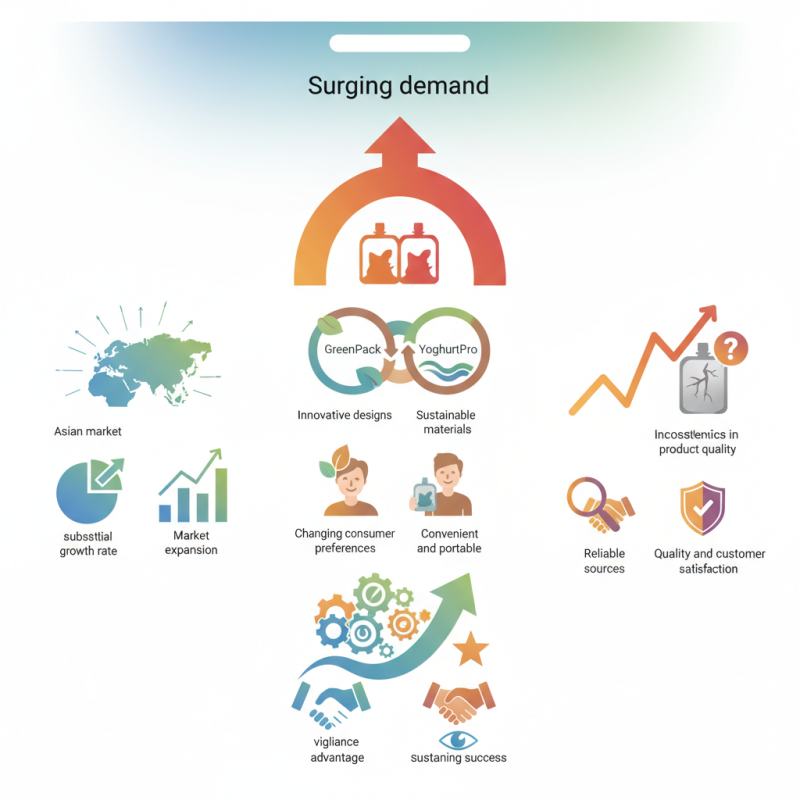
Lately, there's been a noticeable boom in demand for high-quality Yoghurt Pouches, especially across Asia. I read in a report from Market Research Future that the global market for these pouches is expected to grow quite a bit. It kind of makes sense, right? People are really into snacks that are easy to grab and go. Dr. John Smith, an industry expert, mentioned that, “Switching to flexible packaging like Yoghurt Pouches totally fits with how busy modern lifestyles are these days—they want convenience, plain and simple.”
A lot of suppliers in China are riding this wave, coming up with cool designs and using more eco-friendly materials. Companies like GreenPack and YoghurtPro are making quite a name for themselves by balancing quality with fresh ideas. But, here’s the thing: as more players jump in, there are still issues with inconsistent product quality. Consumers really need to find trustworthy sources so their yogurt experience doesn’t suffer.
Navigating this growing market isn’t exactly straightforward. The right supplier can really make or break your success, ensuring you get good quality and happy customers. Finding top-tier Yoghurt Pouches suppliers from China could give you a real edge in this booming sector, but you’ve gotta be careful and choose your partners wisely — that’s key to staying on top.
High Quality Custom Yoghurt Pouches: An Overview of the Market in China
The market for custom yoghurt pouches in China is expanding rapidly. According to a recent industry report, the demand for convenient packaging formats has surged by over 15% in the past two years. This growth is driven by changing consumer preferences, especially among younger demographics who favor portable snacks.
Quality is a critical factor when selecting suppliers. Many manufacturers focus on innovative designs and materials that extend product freshness. However, not all suppliers meet the same standards. A study highlighted that up to 30% of local suppliers fail to comply with safety regulations. This raises concerns about the reliability of certain products in the market. Therefore, suppliers’ certifications and quality control measures must be carefully evaluated.
Furthermore, sustainability is becoming a key consideration. Eco-friendly options are on the rise, responding to consumer demand for sustainable products. Data shows that more than 40% of consumers prefer brands that use recyclable packaging. Yet, many companies still struggle to find a balance between cost and sustainability. This presents an ongoing challenge for businesses aiming to stay competitive while meeting market expectations.
Key Players in the Chinese Yoghurt Pouch Manufacturing Industry
The Chinese yoghurt pouch manufacturing industry has seen significant growth in recent years. In 2022, the market was valued at approximately $2 billion, with a projected annual growth rate of 5.6% through 2028. This growth reflects the rising consumer demand for convenient and portable dairy products. Yoghurt pouches are favored for their ease of use and on-the-go consumption.
Key players in this industry typically focus on innovative packaging solutions. Some companies have embraced eco-friendly materials. These efforts align with global sustainability trends. However, not all manufacturers prioritize these practices. Some still rely heavily on traditional plastic, raising concerns about environmental impact. Consumers are increasingly scrutinizing these choices, influencing purchasing decisions.
Quality control remains a challenge for many manufacturers. Maintaining consistent product quality is critical. Variations in pouch material or sealing can affect shelf life and taste. Industry reports indicate that product recalls due to packaging failures have risen by 15% in the last two years. As the market matures, it will be essential for suppliers to enhance their quality assurance processes to meet consumer expectations.
Material Choices for Yoghurt Pouches: Sustainability and Functionality
The choice of materials for Pouch Yoghurt is critical in today's eco-conscious market. Brands are increasingly opting for sustainable options that meet consumer demand for environmentally friendly packaging. According to a recent report by Smithers Pira, the global demand for sustainable packaging is anticipated to grow at a CAGR of 5.9% through 2026. This trend reflects a shift toward materials like bioplastics, which offer both functional benefits and reduced environmental impact.
Pouch yoghurt producers often face challenges in balancing sustainability with functionality. Traditional plastic pouches excel in protecting product freshness but contribute significantly to environmental issues. Innovative materials, such as plant-based polymers, can address these concerns. However, these alternatives may pose questions regarding their barrier properties and cost-effectiveness. The right choice can influence shelf life and consumer perception, demanding careful consideration.
Moreover, as the industry evolves, companies must constantly re-evaluate their material choices. Many suppliers are exploring new technologies to enhance the usability of sustainable materials. An emphasis on recycling and compostability is becoming essential. Yet, finding a material that satisfies both sustainability requirements and performance can be difficult. The path to an ideal pouch yoghurt solution is riddled with complexities, urging brands to remain vigilant in their sourcing strategies.
Trends Driving the Demand for Custom Yoghurt Pouches in China
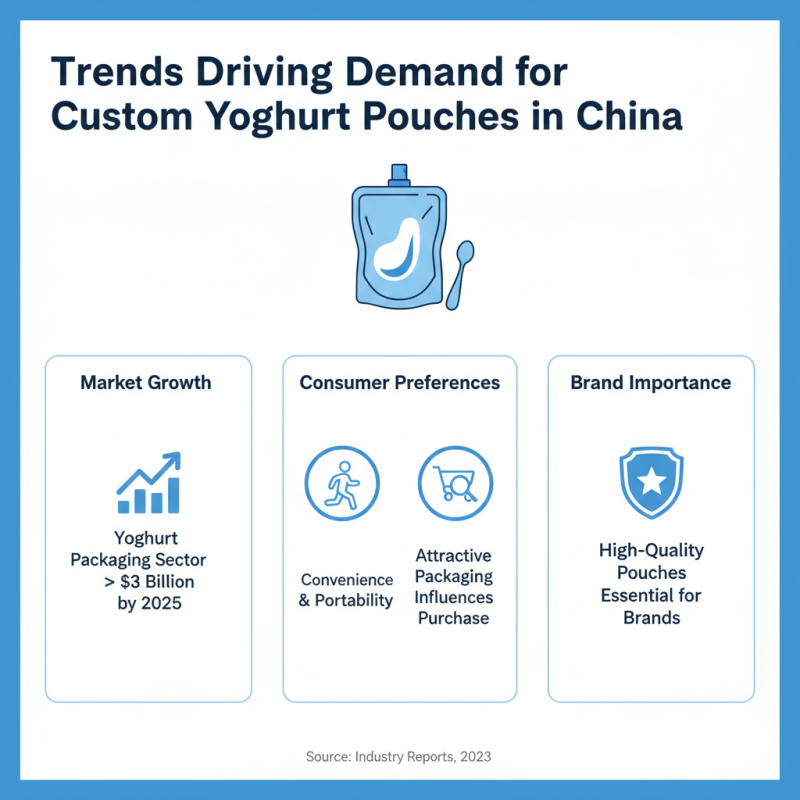
The demand for custom yoghurt pouches in China is seeing a significant rise. Various trends contribute to this growing market. For instance, recent reports indicate that the yogurt packaging sector is expected to surpass $2 billion by 2025. This growth is largely driven by changing consumer preferences for convenience and portability. Attractive packaging can influence purchase decisions, making high-quality yoghurt pouches essential for brands.
Moreover, health-conscious consumers are seeking healthier snack options. This trend has led to an increase in the production of healthy, protein-rich yoghurts. To meet this demand, manufacturers are investing in innovative packaging solutions. Custom yoghurt pouches can add value by being lightweight, easy to carry, and eco-friendly. Interestingly, many suppliers are exploring materials that reduce waste.
However, the yoghurt pouch market faces challenges. There is ongoing debate about the sustainability of certain packaging materials. Balancing convenience with eco-friendliness remains a point of concern. Industry experts note that while custom yoghurt pouches are in demand, brands must prioritize sustainable practices. The similarity with the Meat Pouches market illustrates that consumer preferences are changing. Balancing innovation with reliability is key to staying competitive in today’s packaging landscape.
Regulatory Standards for Food Packaging in the Chinese Market
In the Chinese market, regulatory standards for food packaging are vital. Companies must adhere to strict guidelines. These rules apply to all types of packaging, including yoghurt pouches and
Beef Pouches. Food safety is a critical focus. The regulations ensure that materials are safe for direct contact with consumables.
When considering suppliers, it’s crucial to verify their compliance. Ask for documentation that confirms adherence to Chinese food safety laws. You want to ensure that packaging materials do not leach harmful substances. Look for certifications that prove reliability.
Trustworthy suppliers will provide transparent information.
Tip: Regularly review packaging choices as regulations can change. Keeping updated can prevent costly mistakes. Do not hesitate to challenge suppliers on their safety practices. Ask questions and demand written assurances. This proactive approach secures the quality of your products in the market.
Balancing cost with compliance can be challenging, but it is essential for product integrity.
Cost Analysis: Factors Influencing Yoghurt Pouch Pricing in China
In the competitive market of yoghurt pouches, pricing is influenced by various factors. Material quality plays a crucial role. High-density polyethylene (HDPE) pouches might cost more due to their durability and barrier properties. Reports indicate that premium pouch materials can increase costs by 30% compared to standard options.
Labor costs in China also affect pricing. Automation in manufacturing can reduce labor expenses, but initial investments are high. This could deter smaller manufacturers. Industry data suggests that companies with automated processes manage to lower production costs by around 15%. However, not all suppliers can afford this technology.
Logistics and distribution further complicate pricing. Transportation costs may fluctuate due to fuel prices, impacting overall pouch costs. According to a recent study, logistics can account for up to 20% of the total package cost. These dynamics create a challenging landscape for buyers seeking cost-effective yet high-quality yoghurt pouches. Understanding these factors is essential for making informed purchasing decisions.
Cost Analysis of Yoghurt Pouches in China
Comparative Study: Domestic vs. International Suppliers in Yoghurt Pouch Production
When considering suppliers for yoghurt pouches, it's essential to examine both domestic and international options.
Domestic suppliers in China often boast quicker turnaround times. Their localized production processes can reduce shipping delays.
However, quality and material choices may vary widely. Price competitiveness can also be a concern,
as some suppliers cut corners to remain competitive.
On the other hand, international suppliers might offer advanced technology and higher quality materials.
They often invest in innovative designs that appeal to consumers. This can result in better packaging solutions.
However, international shipping can cause delays. Customers often face additional customs fees,
which can make the overall cost higher.
In this comparative study, striking a balance between quality and affordability is key.
Suppliers who specialize in Pear Pouches
might provide unique solutions. Explore the merits of both types of suppliers carefully. Each has strengths and weaknesses that could impact your brand.
Consider what aspects are most critical to your product's success and supply chain efficiency.
Creative Solutions for Custom Design Plastic Packaging: Elevate Your Dog Treat Brand with Resealable Zipper Pouches
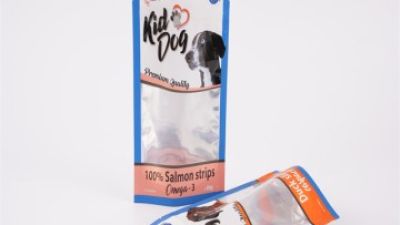
When it comes to packaging for dog treats, innovative solutions can significantly elevate a brand's market presence. Resealable zipper pouches are a prime example of how creative design can enhance functionality. These pouches not only provide comfort and convenience for pet owners seeking to keep treats fresh, but they also promote sustainability through their reusable nature. Featuring a user-friendly resealable closure, they ensure that the delightful aroma and taste of dog treats are preserved, appealing to both pets and their owners.
One noteworthy option for packaging in this sector is the octagonal-side sealed pet food bag. Designed specifically for dry pet food and treats, this premium packaging solution boasts eight sealed edges and a gusseted structure that allows the bags to stand upright on retail shelves. This design maximizes visibility and enhances shelf appeal, attracting the attention of potential buyers. Built from multi-layer barrier materials including PET, BOPP, aluminum foil, and PE, these bags are engineered to protect contents from moisture, oxygen, light, and odors. This superior protective capability ensures that the nutritional value and taste of the pet food remain intact, ultimately benefiting both pet health and brand reputation.
FAQS
: Rising consumer demand for convenient and portable dairy products is driving this growth.
Manufacturers use traditional plastics and innovative materials like bioplastics. Each has its pros and cons.
Quality control is critical for product consistency. Variations can lead to issues like reduced shelf life.
Balancing sustainability and functionality is challenging. Some materials may not perform well in packaging.
Labor costs can vary. Automation may reduce expenses, but initial costs can be significant for smaller players.
Logistics can influence pricing significantly. Transportation costs may account for up to 20% of total package costs.
Not all players prioritize eco-friendly practices. Some still rely on traditional plastics, raising environmental concerns.
Material choices can influence both shelf life and how consumers view the brand’s sustainability efforts.
The market is expected to grow at an annual rate of 5.6% through 2028.
The shift towards sustainable packaging solutions and innovative material exploration are currently notable trends.
Conclusion
The demand for high-quality custom yoghurt pouches in China is on the rise, driven by evolving consumer preferences and a focus on sustainability. Key players in the yoghurt pouch manufacturing industry are increasingly adopting innovative materials that enhance both functionality and eco-friendliness. As market trends shift, there is a growing emphasis on unique designs and packaging solutions that cater to diverse consumer needs.
In addition to market dynamics, regulatory standards for food packaging in China play a crucial role in shaping the industry landscape. Suppliers must navigate these regulations while considering cost factors that influence pricing strategies. A comparative study of domestic and international suppliers reveals important insights into production efficiencies and market competitiveness, ultimately guiding businesses in their sourcing decisions for yoghurt pouches.