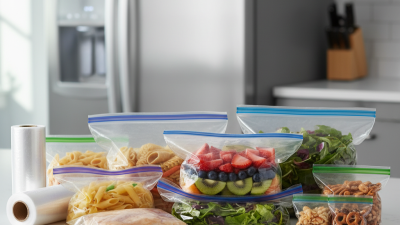
Plastic food bags have pretty much become a staple in most modern kitchens nowadays. I read somewhere that about 70% of households are actually using these bags every week—that’s a lot, right? They’re super handy and really help keep foods fresh longer. But, honestly, a lot of us don’t always follow the best ways to use them. And experts like Mark Thompson from Green Packaging Solutions point out that if you’re using them properly, you can actually cut down on food waste quite a bit.
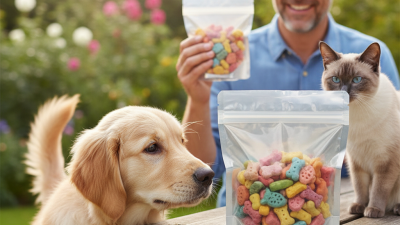
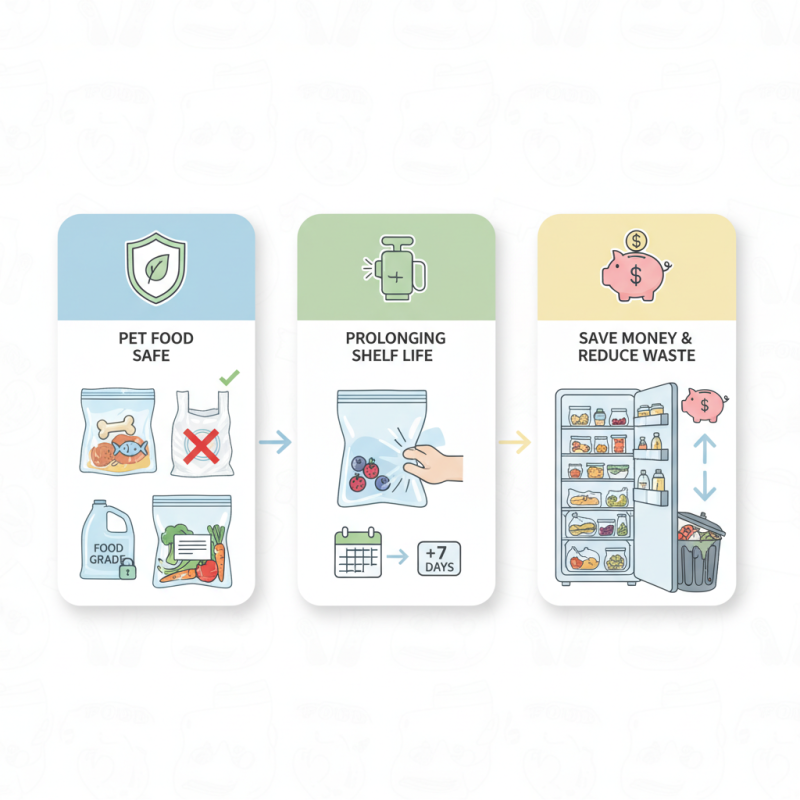
What a lot of folks don’t realize is that not all plastic bags are the same. Some aren’t even safe for food, which can actually be pretty risky for your health. It’s a good idea to pick the right kind of bag—like a food-grade plastic bag, for example. There’s this one product, a Food-Grade Plastic Pet Food Bag, designed specifically to keep pet food safe from contamination. Sadly, lots of pet owners just use regular bags, and that can lead to spoilage or even health issues for our furry friends.
Also, knowing a bit about how these bags work can make a big difference. Many people just toss in the food and think that’s it. But sealing and proper storing actually help extend the shelf life and keep things fresh. It’s really worth learning the right techniques—trust me, it can save you money in the long run and prevent food from going bad prematurely. By picking up a few simple tips, you can get way smarter about how you store your food and keep everything fresher for longer.
Understanding the Different Types of Plastic Food Bags Available
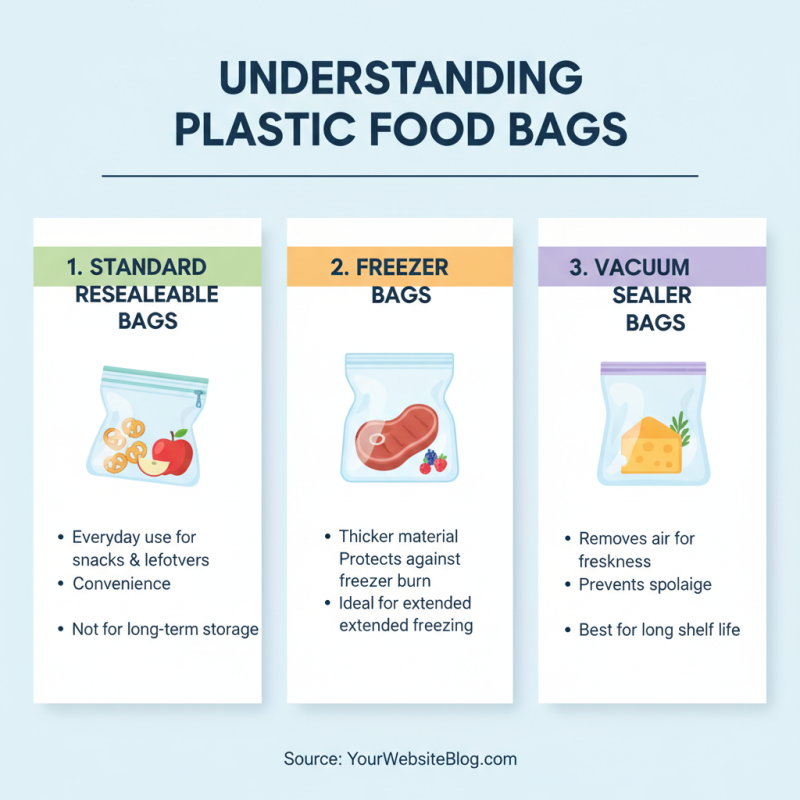
When it comes to plastic food bags, knowing the types available can greatly enhance their utility. There are several common types. Standard resealable bags work well for everyday snacks or leftovers. They provide convenience but may not be the best for long-term storage.
Freezer bags are thicker and designed for freezing food. Their durability helps prevent freezer burn. However, using them can be wasteful if you don't use the food in time. Some bags are specifically designed for sous vide cooking. They can withstand heat, but they require careful handling.
Compostable bags are a newer option. They break down more easily than traditional plastic, yet not all are effective. It's important to assess your needs. Are you using them efficiently? Reflect on your habits. Consider how often you dispose of partially used bags. The goal is to minimize waste while maximizing functionality.
Choosing the Right Size for Your Food Storage Needs
Choosing the right size for plastic food bags can significantly influence your food storage efficiency. According to industry reports, 72% of consumers struggle with food wastage due to improper storage. Selecting appropriately sized bags can help minimize this issue. For instance, quart-sized bags are perfect for marinating meats, while gallon-sized bags are ideal for bulk storage.
When storing smaller items like snacks or leftover produce, using snack-sized bags can reduce air exposure. This helps maintain freshness and prevents spoilage. Data suggests that 80% of food lost in homes is due to improper storage methods. Therefore, investing time in choosing the correct sizes is essential.
However, there can be challenges. Consumers often overestimate the volume needed. This can lead to choosing bags that are too large, resulting in wasted space and efficiency. Additionally, not addressing different food types can cause issues. Liquid items may require sturdier bags to avoid leaks. Smaller bags might be great for vegetables but not ideal for liquids. Making thoughtful choices can improve the effectiveness of food storage.
Techniques for Properly Sealing Plastic Food Bags
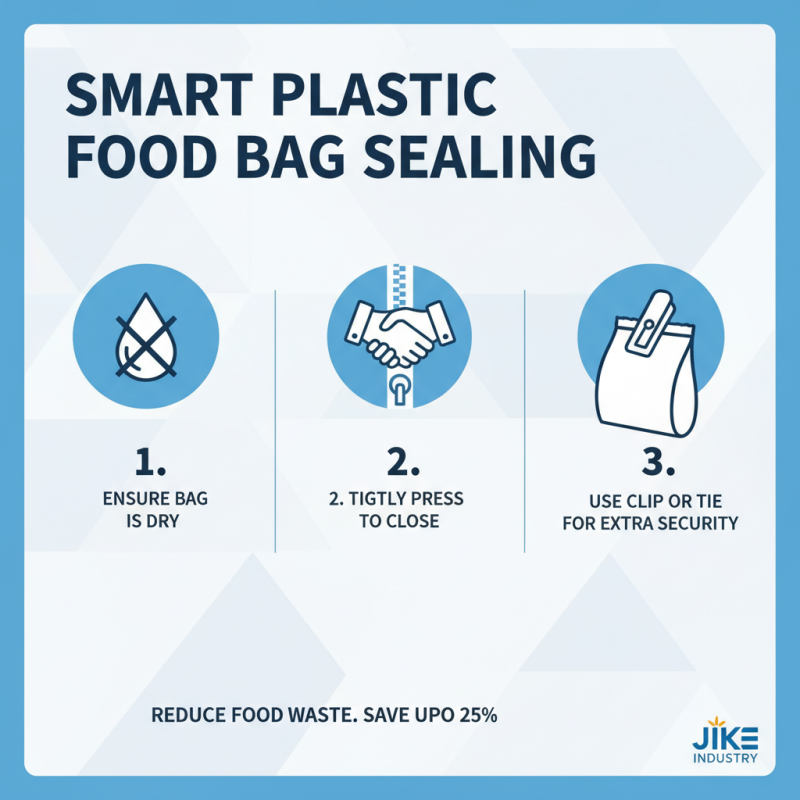
When using Plastic Food Bags, proper sealing techniques are crucial. According to a report by the Food Packaging Association, around 25% of food waste occurs due to improper storage. This highlights the need for effective sealing. To achieve this, users should ensure that the bag is dry before sealing. Moisture can undermine the seal and lead to spoilage.
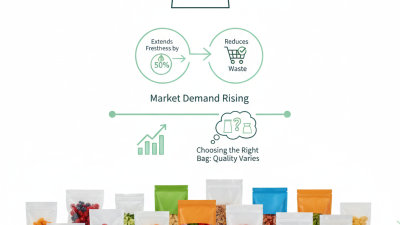
Another effective method is to push out as much air as possible before sealing the bag. Air can cause oxidation, which deteriorates food quality. A vacuum sealer is ideal, but a simple hand-pressing technique works too. Experts suggest that properly sealed plastic food bags can extend the freshness of items by 50%.
However, many people overlook the importance of correct sealing. They might struggle to achieve an airtight seal or fail to notice leaks. These small oversights can lead to extended storage issues. For long-term storage, double-bagging can offer an added layer of protection. The effectiveness of plastic food bags lies in the details. Remember, a little attention can significantly reduce food waste.
Best Practices for Freezing Food in Plastic Bags
Freezing food in plastic bags can be a game-changer for meal prep. The right techniques ensure your food stays fresh longer. For effective freezing, avoid overcrowding the bags. Space is crucial. If you cram too much in, items may freeze unevenly. Plus, this can lead to freezer burn.
When using food plastic bags for packaging, remove as much air as possible before sealing. Air in the bag can cause ice crystals to form. A vacuum sealer is great, but not necessary. Simply squeezing the bags before sealing can work too. For liquids, allow some room at the top. Liquid expands when frozen.
Label the bags with dates. It's easy to forget what you stored. Dates help you keep track of freshness. If you don’t label, you may end up with mystery meals. Be mindful of textures; some foods don’t freeze well. You might find mushy vegetables upon thawing. These tips can refine your freezing process significantly.
Tips for Avoiding Food Contamination When Using Plastic Bags
When using plastic food bags, contamination is a real concern. It's easy to overlook hygiene standards during meal prep. For example, unwashed hands can transfer bacteria. Always wash your hands before handling food and bags. This simple step makes a big difference.
Rinsing fruits and vegetables is vital. Even if they go into a plastic bag, dirt and pesticides can linger. Another common mistake is reusing bags without proper cleaning. This can lead to cross-contamination. If a bag held raw meat, it should never touch other food items unless cleaned.
Temperature matters too. Avoid leaving plastic bags in warm places. Heat can encourage bacteria growth. Whether it's meat or leftovers, store them in the fridge promptly. Remember, not all bags are alike. Some can melt if exposed to high heat. This can introduce toxins into your food. Always stay aware and prioritize safety when using plastic bags.
Ways to Safely Reuse and Recycle Plastic Food Bags
Plastic food bags can be incredibly useful, but many people don't know how to recycle or reuse them effectively.
Resealable Plastic Food Bags are a great choice for storing snacks and prepped meals. Once you're done with them, consider some simple reuse ideas. They can be cleaned and repurposed for storing other non-food items.
Try using them for organizing small items, like buttons or craft supplies.
Recycling plastic bags is another way to reduce waste. Many grocery stores offer recycling bins for plastic bags. Make sure to collect your used bags and take them there. However, not all bags are recyclable. It's important to check the guidelines in your area.
Some bags must go into regular trash, which can feel frustrating.
People often struggle with the best practices for reuse and recycling. It can be easy to forget about reusing bags, especially if you're busy.
Try setting a reminder or keeping a designated space for clean bags. Reflection is key here.
How often do you actually follow through with reusing? Keeping a mindful approach can make a difference.
Creative Uses for Plastic Food Bags Beyond Food Storage
Plastic food bags are not just for food storage. They can be repurposed in many creative ways. Think about keeping your seasonal decorations. Stuff them inside to save space. When you're ready to decorate, just pull them out. It's an easy, clutter-free solution.
You can also use plastic food bags for organization. Gather small items like batteries, screws, or craft supplies. Label each bag and stack them neatly. This helps you find what you need quickly. It’s surprising how effective simple segregation can be. However, some bags aren't biodegradable. Consider switching to Biodegradable Plastic Food Bags for a more sustainable option.
Traveling? Use plastic food bags to keep your luggage organized. Separate clothes, toiletries, or shoes. This protects items from spills. If you're heading to the beach, pack your wet swimsuits inside a bag. Just don’t forget to empty it afterward. Sometimes, the effectiveness of these bags reminds us to reflect on our waste habits.
Innovative Food Packaging Solutions: The Rise of Custom Printed Logo Laminated EVA Stand-Up Ziplock Pouches in the Beef Jerky Market
The beef jerky market has seen an impressive transformation, driven by innovative food packaging solutions that cater to consumer preferences. Among these advancements, custom printed logo laminated EVA stand-up ziplock pouches have emerged as a highly effective choice for packaging beef jerky. These pouches not only enhance shelf appeal with vibrant logos and designs but also provide practical benefits that ensure product freshness and longevity. The use of high-quality materials like PET/VMPET/PE and Kraft Paper ensures an optimal barrier against moisture and air, crucial for maintaining the quality of jerky products.
Moreover, the versatility of these pouches extends beyond beef jerky, accommodating a wide range of food products including snacks, dry foods, and pet foods. Their stand-up design allows for easy display on shelves, appealing to both retailers and consumers alike. With customizable sizes and the option for OEM services, businesses can tailor these pouches to meet specific packaging requirements. Furthermore, manufacturers often offer free samples to help clients assess the product's quality before making a commitment, fostering a strong relationship based on trust and quality assurance. This trend exemplifies how innovative packaging solutions can effectively drive brand recognition and consumer loyalty in a competitive market.
FAQS
: Standard resealable bags are for snacks. Freezer bags prevent freezer burn. Sous vide bags handle heat. Compostable bags break down easier.
Freezer bags are thicker. They preserve food longer but can lead to waste if food is not used timely.
Not all compostable bags work well. Evaluate their effectiveness based on your waste management habits.
Always wash your hands before touching food or bags. This reduces the risk of bacteria transfer significantly.
Rinsing removes dirt and pesticides. Even if placed in a bag, contaminants can linger.
Reusing bags can cause cross-contamination. Clean bags thoroughly if they held raw meat before using them again.
Heat encourages bacteria growth. Some bags may melt, potentially releasing toxins into your food.
Promptly refrigerate meat and leftovers. This minimizes the growth of bacteria and maintains safety.
Yes, improper use can lead to waste. Reflect on your habits to avoid unnecessary disposal of bags.
Assess your usage needs. Aim to minimize waste while choosing the right bag for each food type.
Conclusion
Plastic food bags are versatile tools for food storage, but using them effectively requires understanding their different types and selecting the appropriate size for your needs. Proper sealing techniques are crucial to prevent leaks and ensure freshness, especially when freezing food. To avoid contamination, it's essential to practice safe handling methods while using plastic bags.
Additionally, these bags can be reused creatively beyond their initial purpose, and recycling them responsibly helps minimize environmental impact. By following best practices for food storage and maintaining hygiene, you can make the most out of plastic food bags, ensuring your food stays fresh and safe while also contributing to sustainability efforts.