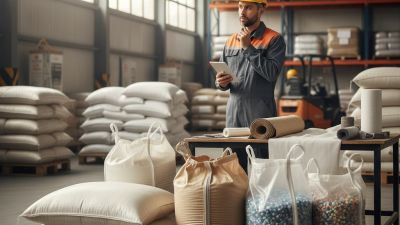
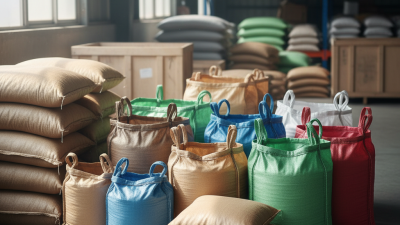
Picking the right woven packaging bag isn’t exactly a walk in the park, but it’s pretty important for your business. These bags are super versatile and sturdy, so they work well for all sorts of stuff — from farm produce to retail products. They offer good protection and are pretty convenient to handle. That said, choosing the perfect one can sometimes feel a bit overwhelming.
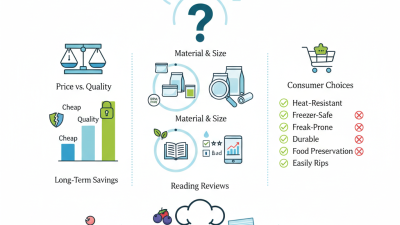
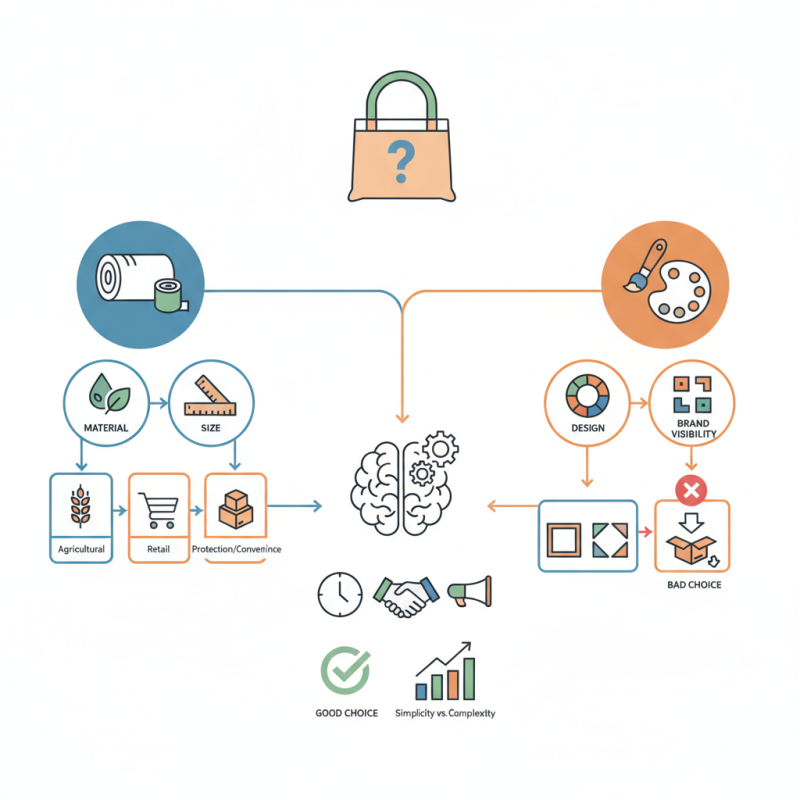
A couple of things to think about are the material and size. Different materials come with their own perks. Like, polypropylene bags are lightweight and resist water pretty well. And size? You want the bags to fit your products just right. Picking the wrong size or material can mess up your product or make shipping more expensive than it needs to be. So, it’s a good idea to consider exactly what you need before making a decision.
And don’t forget about the design. A well-thought-out bag can really boost your brand’s visibility — colors, logos, the whole thing. But hey, don’t go overboard. Sometimes, a simple design makes more impact and looks more professional. So, take your time. Choosing the right bag isn’t just about functionality, it can also impact customer satisfaction and how smoothly your operations run—that’s pretty huge.
Understanding Woven Packaging Bags: Types and Materials
Woven packaging bags are designed with various materials and types to meet specific needs. Common materials include polypropylene and polyethylene, known for their durability and strength. A report from Market Research Future states that the global woven bags market is projected to reach $5 billion by 2025 due to its increasing demand in various industries.
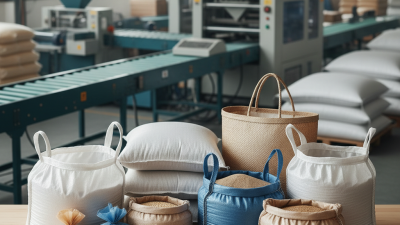
Different types of woven packaging bags offer unique benefits. For instance, tubular woven bags are excellent for bulk materials, while flat woven bags are suitable for retail packaging. Understanding these distinctions helps businesses select the right Packaging Woven Bag for their products.
Tip: Always consider the bag's load capacity. A mistake in choosing a low-capacity bag can lead to damages. Pay attention to environmental factors like humidity and sunlight exposure when selecting bags. These can affect the longevity of packaging woven bags.
Lastly, while woven bags are versatile, assess their recyclability. Many options exist, but not all are eco-friendly. Aim for sustainable choices whenever possible.
Assessing Your Packaging Needs: Factors to Consider
When choosing a Woven Packaging Bag, your specific needs matter. Assessing the size is crucial. Industry data shows that 30% of packaging waste comes from improperly sized bags. A bag too large can lead to product damage, while a small one may not fit the contents. Evaluating dimensions can save costs and enhance efficiency.
Material selection is another key factor. Woven packaging bags come in various options, like polypropylene and polyethylene. According to a recent report, polypropylene bags are 15% lighter than traditional materials. This weight reduction can lower shipping fees. However, lighter does not always mean stronger, which is an essential trade-off. Testing bag durability should not be overlooked.
Sustainability is a growing concern. About 70% of consumers prefer eco-friendly options. While woven packaging bags can be recycled, not all types are biodegradable. The decision here can impact brand perception. Strive for a balance between functionality and environmental responsibility. Sometimes, sacrificing one for the other may seem necessary, but it’s a reflection of broader values.
Evaluating the Durability and Strength of Woven Bags
When selecting woven packaging bags,
durability and strength are crucial factors. These bags frequently hold heavy products,
so they must withstand wear and tear. Look for materials like polypropylene,
which typically offers higher tensile strength. Testing the bag for puncture resistance
can be helpful. Even slight defects could lead to failure during use.
It's important to evaluate the thickness of the woven fabric.
Thicker bags often indicate better strength. However, they may not be as flexible.
Consider the weight of the items you will store. If you’re packing lighter goods,
a thinner bag could suffice. But, if something heavier, always lean towards a
sturdier option.
Tips for testing durability include checking the stitching. Quality seams
often suggest a better-built bag. Inspect for fraying or loose threads.
These can compromise strength. Ask for samples if possible. It’s better to reflect
on your needs before making a bulk order. This could save costs and headaches later on.
Choosing the Right Size and Dimensions for Your Products
Choosing the right size and dimensions for woven packaging bags is crucial. Proper sizing ensures product safety and enhances presentation. A study by Smithers Pira indicates that improper packaging can lead to a 16% increase in product damage during transit. This shows that finding the right dimensions can save costs and time.
Consider your product shape and weight. For instance, heavy items need sturdier bags. A bag that is too small can lead to spills or breakage. On the other hand, oversized bags can increase shipping costs and waste materials. In the woven packaging industry, 45% of enterprises face challenges related to packaging size. Understanding the specific needs of your product can help mitigate these issues.
It's essential to measure your products accurately. Use a caliper for precision, ensuring that dimensions match the final design. Conduct trials with different sizes to find the best fit. According to research, 25% of businesses neglect this step, leading to inefficiencies. Reflecting on past mistakes can pave the way for improvements in future packaging choices.
Exploring Printing and Customization Options for Branding
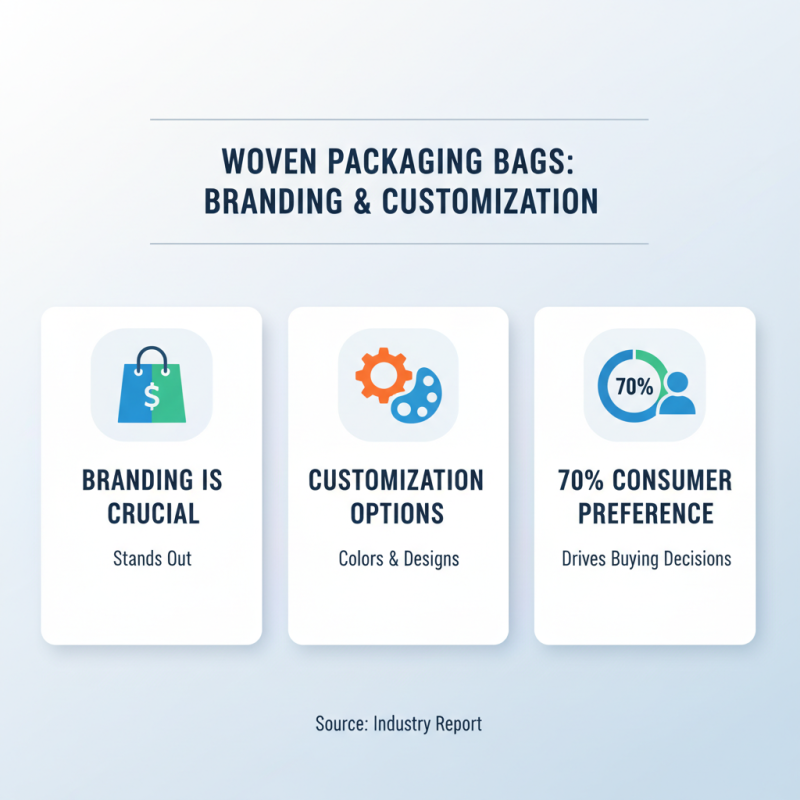
When it comes to woven packaging bags, branding is crucial. Customization options play a vital role in standing out. According to a recent industry report, 70% of consumers prefer customized packaging. This means your choice of colors and designs can significantly affect buying decisions.
Print quality is another essential aspect. Advanced printing techniques like digital and screen printing allow businesses to showcase vibrant logos and intricate designs. However, not all methods will suit every type of bag. It’s important to ensure that the printing method chosen works well with the woven material. A mismatch could lead to fading or peeling, which compromises brand imagery.
Additionally, sustainability in packaging is a growing concern. Research indicates that 65% of consumers take eco-friendly packaging into account. This trend adds complexity to the customization process. Selecting biodegradable or recyclable materials while ensuring print quality can be a challenge. It's essential to balance aesthetics with environmental responsibility.
Comparing Costs and Sustainability of Different Bag Options
Choosing the right woven packaging bag involves careful consideration of cost and sustainability. Various options are available, each with unique benefits. Woven bags are known for durability, making them ideal for heavy loads. However, they can be pricier compared to other options.
It's essential to evaluate the environmental impact of each material. Some woven bags are made from recycled products, reducing landfill waste. Yet, not all woven bags offer the same eco-friendly advantages. When comparing costs, consider the overall lifetime use of the bag. Higher quality bags may have a higher upfront cost but can save money over time.
Tips: Always request samples before making a bulk purchase to assess quality. Check for certifications that indicate sustainable practices. Knowing your specific needs is crucial. If you’re focusing on food packaging, ensure your chosen bag meets safety standards for food contact. Consider local suppliers to reduce transportation emissions. Reflect on the balance between price and sustainability as it might affect your business’s reputation.
Identifying Reliable Suppliers for Woven Packaging Solutions
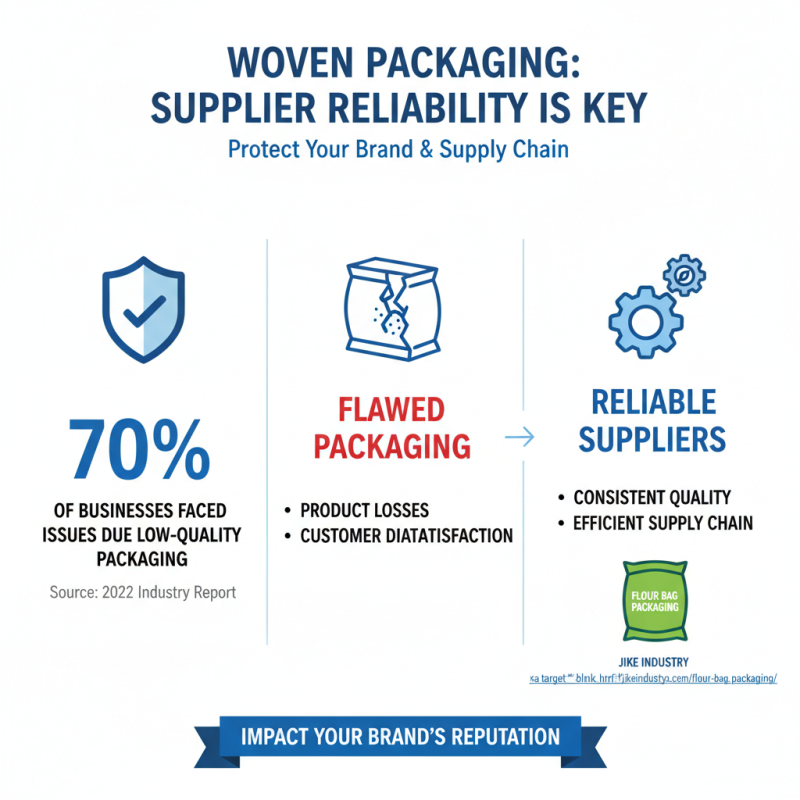
When selecting woven packaging solutions, identifying reliable suppliers is crucial. The quality of these products directly impacts your brand's reputation and supply chain efficiency. According to a 2022 industry report, nearly 70% of businesses faced issues due to low-quality packaging. A flawed Flour Bag Packaging can lead to product losses and customer dissatisfaction.
Finding trustworthy suppliers involves thorough research. Look for manufacturers with industry certifications. These certifications indicate adherence to quality standards. Engaging with industry forums can also provide insights. In doing so, one can gauge the reliability and performance of potential suppliers. Customer reviews matter. A 2023 survey revealed that 55% of buyers rated supplier reliability as a top priority.
Consider visiting suppliers' facilities. This step allows for a firsthand inspection of manufacturing practices. Pay attention to the materials used. Some companies may cut corners to lower costs. Ask for samples before making larger commitments. Not every supplier will meet your requirements perfectly. Acknowledging these imperfections can help refine your strategy in choosing the right woven packaging solutions for your needs.
FAQS
: The article aims to inform readers about certain products and their usage.
Yes, specific guidelines must be followed to ensure safety and effectiveness.
Keep them in a cool, dry place, away from direct sunlight.
Yes, some individuals may experience allergies, so check ingredients carefully.
Discontinue use immediately and consult a medical professional if needed.
Yes, generally recommended for adults. Check specific product guidelines.
Caution is advised. Consult with a healthcare provider before use.
Assess your needs and consider consulting a healthcare professional.
Incorrect usage may lead to undesirable effects; read instructions thoroughly.
Yes, reflecting on experiences is healthy. Consider your own response to the product.
Conclusion
When selecting the right woven packaging bag for your needs, it is essential to understand the various types and materials available, as they directly impact the durability and suitability for your products. Key factors to consider include the specific requirements of your packaging, such as strength, size, and customization options for branding. Assessing the size and dimensions will ensure that your products fit securely, minimizing damage during transit.
Furthermore, exploring printing options can enhance your brand visibility, while comparing costs and sustainability features of different woven bag choices is crucial for making an informed decision. Finally, identifying reliable suppliers will safeguard the quality and consistency of your packaging solutions. By thoroughly evaluating these aspects, you can effectively choose a woven packaging bag that meets both practical and branding needs.