Welcome to our company

Leave Your Message
0%

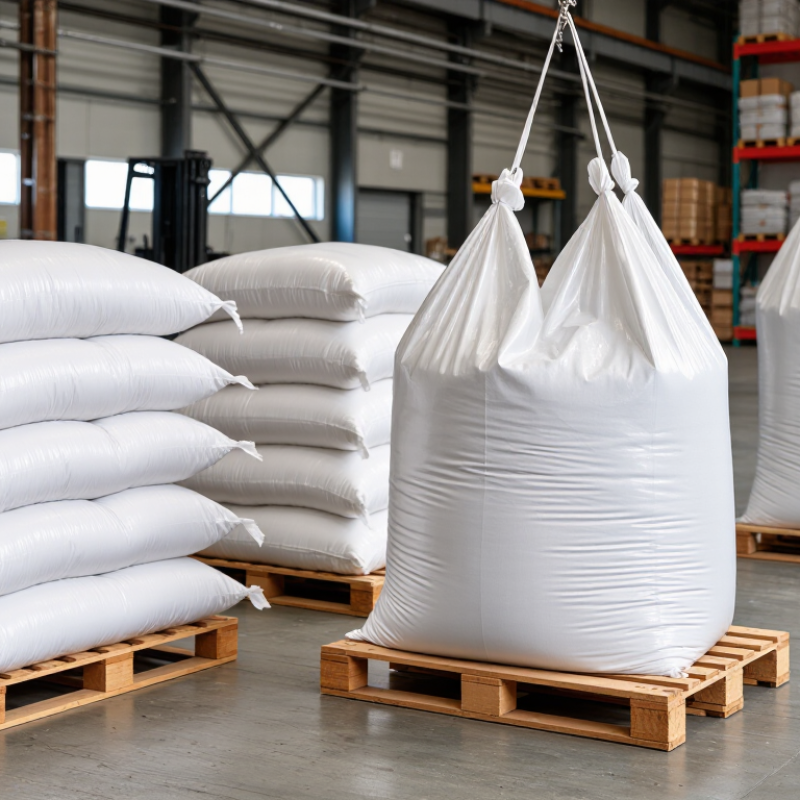
Picking out the right 25kg PP woven sack isn’t just about scanning price lists from different suppliers. Honestly, you need to think about whether the sack fits the product, how it will be filled, stored, and transported. For example, a bag meant for rice needs different protective features compared to one used for fertilizer or mineral powder. Little details really do make a difference here.

David Chen, a packaging expert at Packwise Consulting, often says, “A good, reliable sack starts with what's inside, not just the supplier’s catalog.” That honest advice comes from years of inspecting factories and testing filling lines. When you're shopping around, you should look into the quality of the polypropylene resin, the strength of the fabric, GSM, how densely it's woven, and how the seams are made. Add a laminated surface if moisture is a concern—sometimes that extra layer helps a lot. You might also consider an inner liner for more protection, though it could bump up your cost and slow down the packing process. And don’t forget about the closure types—valves, open-mouth, sewn closures—they all work differently.

A smart way to check is by doing drop tests, stacking trials, and measuring the filled bags. The 25kg PP woven sack should stay stable on pallets without bulging too much. It’s a good idea to ask for test reports, sample bags, and clear records showing how the bags are tracked throughout production. When it comes to printed 25kg PP bags, make sure the ink doesn’t rub off easily—this may seem like a no-brainer, but honestly, it’s sometimes overlooked.

Sure, going for the cheapest option might save you some money upfront, but trust me, it can end up costing you a lot more if the seams break, dust leaks out, or your shipments get rejected. Also, specs alone aren’t enough to predict every hiccup you might face in real life. Running a trial order is really helpful—it can reveal issues like slipping, weak corners, or filling delays that you didn't see coming. That imperfect stage is actually quite important. Look for a supplier who’s willing to be honest about any problems, make adjustments, and keep records of what they fixed. Picking the right manufacturer isn’t just a one-time buy; it’s a process based on good evidence, hands-on experience, and honest communication.”
How to Choose the Right 25kg PP Woven Sack?

Define the 25kg PP Woven Sack: PP Density of 0.90–0.91 g/cm³

How to Choose the Right 25kg PP Woven Sack?

A 25kg PP woven sack begins with polypropylene, commonly measured at 0.90–0.91 g/cm³. This is the material density, not the finished sack’s total weight. Lower density can reduce material use while maintaining useful strength. However, density alone never proves quality.

During practical inspections, I check the tape surface, weave regularity, and seam tension. A reliable sack should hold its shape around a 25kg load without excessive stretching. The fabric should feel firm, not brittle. Bags with uneven tapes may show weak lines near the corners. That detail is easy to miss.

The correct specification depends on the filling product and handling conditions. Powdery goods may need an inner liner or coated fabric to reduce leakage. Rough materials usually require stronger fabric and reinforced stitching. A common mistake is selecting by sack weight alone. I have seen heavier sacks perform poorly because their seams were weak.

Ask for fabric weight, tape width, weaving density, seam construction, and load-test results. Confirm whether the stated 0.90–0.91 g/cm³ refers to pure PP resin. Recycled content, additives, and processing can change performance. Test filled samples under stacking and transport conditions before approving a large order. Laboratory data helps, but real handling reveals problems.

Match Fabric Strength to 25kg Loads: Compare 60–120 g/m² PP Cloth

Choosing the right Woven Sack for a 25kg load starts with fabric weight.

PP cloth between 60 and 120 g/m² offers different strength levels, handling comfort, and cost. Lower-weight fabric may suit stable, fine materials with careful transport. However, it can stretch or tear when filled with rough particles. Do not guess.

For many dense products, 80–100 g/m² provides a practical balance. It feels firm in the hand without becoming unnecessarily heavy. A 110–120 g/m² fabric is more suitable for sharp-edged materials, repeated handling, or rough loading conditions. The sack’s seam quality also matters. Strong fabric cannot compensate for weak stitching. Check the tape width, thread density, and bottom seam before making a decision.

In real packing tests, fill the sack to 25kg and inspect its shape. Watch the corners. Do they bulge noticeably? Place it on a pallet, move it several times, and check for stretched weave or loose threads. A basic drop test can reveal weaknesses that a specification sheet misses. I have found that fabric weight alone is an imperfect guide. Coating, weave tightness, and load distribution can change performance. Test it loaded. A slightly heavier sack may prevent product loss and reduce repacking work, but excessive fabric can add cost without meaningful protection.

Choose Lamination for Moisture Control: Evaluate 10–30 μm PP Film

When selecting a Pp Woven Sack, lamination thickness should match the moisture risk, not just the product weight. A 10 μm PP film suits short-distance transport in dry conditions. It reduces material use and keeps the sack flexible. However, pinholes and weak sealing become more serious concerns. Moisture wins slowly. A 20 μm film offers a practical balance for grains, powders, and seasonal warehouse storage. In coastal or high-humidity regions, 30 μm provides a stronger moisture barrier and better protection against handling damage.

FAO grain-storage guidance places many cereal products near 13–14% moisture for safer storage, although the correct limit depends on the commodity. This makes film selection a quality-control decision. Ask the converter for water vapour transmission rate data, not thickness alone. ASTM F1249 testing commonly uses 38°C and 90% relative humidity, allowing more realistic comparisons. A sack with 30 μm film can still perform poorly if lamination is uneven. Check the inner surface under bright light. Look for bubbles, exposed weave, or thin corners. Test it.

Smithers’ flexible-packaging market analysis also highlights downgauging and barrier performance as continuing industry priorities. That creates a genuine trade-off. Thinner film can lower material consumption, but it may increase leakage risk during stacking. I would test filled sacks through compression, drop, and humid-room trials before approving 10 μm. This step is often skipped. That is the part worth reconsidering.

How to Choose the Right 25kg PP Woven Sack? - Choose Lamination for Moisture Control: Evaluate 10–30 μm PP Film

PP Film Thickness Approx. Added Film Weight Moisture-Control Level Typical 25kg Product Application Main Advantages Main Limitations Selection Guidance
10 μm Approximately 9 g/m² Basic moisture resistance; suitable for short-term handling and transport Dry grains, animal feed, powders, and products stored in controlled indoor conditions Lowest material use, flexible sack surface, and lower conversion cost Limited protection against humidity, condensation, pinholes, and rough handling Choose only when moisture exposure is low and storage time is short
15 μm Approximately 13.5 g/m² Moderate moisture control for normal distribution conditions Flour, starch, feed ingredients, seeds, and dry agricultural products Good balance between flexibility, surface protection, and material consumption Not intended as a complete moisture barrier in prolonged outdoor storage A practical option for standard indoor warehousing and covered transport
20 μm Approximately 18 g/m² Good moisture control for products sensitive to ambient humidity Hygroscopic powders, fertilizer blends, mineral powders, and longer-distance shipments Improved continuity of the laminated layer and better resistance to handling abrasion Higher material weight and cost than thinner-film constructions A strong general-purpose choice when moisture risk is moderate to high
25 μm Approximately 22.5 g/m² High moisture control with improved puncture and scuff protection Moisture-sensitive powders, fertilizers, chemicals, and extended supply-chain storage More robust laminate, better protection from surface moisture, and increased durability Less flexible and heavier than 10–20 μm film; may require process optimization Recommended when moisture exposure and mechanical handling are both significant
30 μm Approximately 27 g/m² Very high moisture-control potential when the laminate is continuous and well sealed Highly hygroscopic products, demanding export logistics, and high-abrasion distribution routes Maximum film thickness in this range, stronger surface protection, and greater abuse tolerance Highest film consumption, reduced flexibility, and increased packaging weight Use when product sensitivity or logistics conditions justify the added material
Technical selection notes:
  • The approximate added film weight is calculated using a polypropylene density of about 0.90 g/cm³: film weight ≈ thickness in micrometres × 0.90 g/m².
  • Actual moisture performance depends on film quality, lamination uniformity, woven-fabric porosity, stitching, filling-mouth construction, liner design, sealing method, and storage conditions.
  • Film thickness alone does not make a sack hermetic. For highly moisture-sensitive products, evaluate a liner or sealed construction and verify water-vapor transmission under the intended test method.
  • For a balanced 25kg PP woven sack, 15–20 μm is commonly suitable for normal dry-product distribution, while 20–30 μm is more appropriate for higher humidity, abrasion, or longer storage exposure.

Select Closures for Filling Speed: Compare Open-Mouth and Valve Tops

How to Choose the Right 25kg PP Woven Sack?

For 25kg PP woven sacks, closure design directly affects filling speed, dust control, and labor. Open-mouth sacks accept many products and filling machines. After filling, they need stitching, heat sealing, or adhesive closing. This extra step can create a bottleneck. Valve-top sacks use a filling nozzle and usually close through product pressure. They often reduce spillage and manual handling.

The choice is not always obvious. A valve top can fill quickly with cement, powder, or fine minerals, but poor nozzle alignment may slow the line. Open-mouth sacks may perform better with irregular granules or products requiring visual inspection. Grand View Research valued the global flexible packaging market at USD 261.04 billion in 2022, showing the scale of efficiency pressure. PMMI’s 2024 packaging automation outlook also identifies labor availability and line efficiency as major production concerns. These reports support automation, but they do not replace a site trial.

Tips: Test both closures using your actual 25kg product. Record bags per minute, dust loss, rejected seams, and operator adjustments. Check valve size carefully. A small valve can restrict flow. A wide valve may leak during transport. I have seen fast filling targets fail because the sack mouth folded under the nozzle. That detail is easy to miss. Also review pallet stacking and compression results before making a final specification.

Verify Food-Contact Compliance: FDA 21 CFR 177.1520 and EU 10/2011

How to Choose the Right 25kg PP Woven Sack?

For food applications, verify the sack’s food-contact compliance before comparing price or appearance. FDA 21 CFR 177.1520 covers olefin polymers, including polypropylene used in many woven sacks. Request a current declaration of compliance, resin details, and migration test reports. The documents should identify the intended food type, contact conditions, and temperature limits. A general “food grade” statement is not enough.

EU Regulation 10/2011 requires careful evaluation of plastic materials and their additives. Check overall migration results and, when relevant, specific migration limits. The woven fabric, inner liner, coating, stitching thread, printing ink, and adhesive may all need review. One overlooked layer can change the compliance assessment. Ask for batch traceability, production dates, and testing laboratories with suitable technical competence.

Inspect the actual sack, too. Look for clean surfaces, stable stitching, and no loose fibers inside. Consider whether the 25kg load will contact dry grains, powders, or oily foods. Different foods can create different migration risks. A Non Woven Sack is not automatically equivalent to a PP woven sack; its material structure and compliance evidence may differ. Certificates can become outdated. I have seen purchasing decisions rely on old paperwork, then require rechecking after a material change. Keep the intended use written clearly, even when the product seems simple.

Test Performance Before Purchase: ASTM D4632 Tensile and ASTM D5276 Drop Tests

How to Choose the Right 25kg PP Woven Sack?
Before purchasing a 25kg PP woven sack, test its strength under realistic handling conditions. A Sand Woven Sack may look durable, yet fabric appearance proves little. ASTM D4632 measures grab tensile strength and elongation. The test can reveal weak yarns, inconsistent weaving, or poor seam performance. Confirm that the laboratory protocol suits woven sacks, because ASTM D4632 was developed for geotextile materials. Document specimen direction, jaw spacing, conditioning, and test results. Small details matter.
ASTM D5276 evaluates free-fall drops on filled containers. Use the intended product weight and a practical filling level. Drop samples onto the base, side, and corners from a recorded height. Inspect for split seams, burst panels, powder leakage, and permanent distortion. Repeat the drops with several samples. One successful sack proves very little. A cold warehouse or rough loading area may expose weaknesses that laboratory conditions miss.
Choose sacks with consistent results, not impressive claims alone. Ask for raw test data, sample identification, and failure photographs. Compare tensile strength before and after drop testing. This shows whether impact damages the fabric invisibly. In practice, testing can be imperfect. Operators may fill sacks unevenly, and corners may land unpredictably. Record those variations instead of hiding them. A thoughtful buyer reviews the method, questions unusual results, and tests again when the evidence feels incomplete.

FAQS

What does 0.90–0.91 g/cm³ mean for a 25kg woven sack?

It describes the density of polypropylene resin, not the finished sack’s total weight. Lower density may reduce material use. Density is only one clue.

Can density alone prove sack quality?

No. Inspect tape surfaces, weave regularity, fabric firmness, and seam tension. Uneven tapes can create weak lines near the corners.

How should I check whether a sack can hold 25kg?

Fill sample sacks with the real product. Check their shape, stretching, seams, and corners during stacking and transport. Test it filled.

Should I choose a sack by its total weight?

Not alone. A heavier sack can still have weak stitching or uneven fabric. Ask for fabric weight, weaving density, tape width, and load-test results.

When is coated fabric or an inner liner useful?

Powdery products may leak through ordinary woven fabric. A liner or coating can reduce leakage and dust. The correct choice depends on particle size and handling.

What is the difference between open-mouth and valve-top sacks?

Open-mouth sacks accept many products and filling systems, but they need a separate closing step. Valve-top sacks often reduce spillage and manual handling.

Which closure is better for fast filling?

Neither closure is always better. Test filling speed, dust loss, rejected seams, and operator adjustments with the actual 25kg product. Fast on paper, slower in practice.

What closure details should be checked before approval?

Check valve size, nozzle alignment, mouth folding, and transport leakage. A small valve may restrict flow. A wide valve may leak. I might underestimate folding problems without a site trial.

Conclusion

Choosing the right 25kg Pp Woven Sack requires balancing strength, moisture protection, filling efficiency, and regulatory compliance. Made from polypropylene with a typical density of 0.90–0.91 g/cm³, the sack should use fabric strength suitable for a 25kg load. Compare PP cloth weights from 60 to 120 g/m² according to the product’s weight, handling conditions, and stacking requirements. For moisture-sensitive contents, evaluate laminated options with a 10–30 μm PP film to improve resistance against humidity and contamination.

Closure design also affects production speed: open-mouth sacks support flexible filling, while valve-top sacks can provide faster, cleaner automated packing. If the sack is intended for food contact, verify compliance with FDA 21 CFR 177.1520 and EU 10/2011 requirements. Before purchase, request performance testing, including ASTM D4632 tensile testing and ASTM D5276 drop testing, to confirm durability during filling, transport, and storage.

Sophia

Sophia

Sophia is a dedicated marketing professional at Shandong Jike International Trade Co., Ltd., a state-owned enterprise specializing in food packaging and printing. With a deep understanding of the company's core products, which include food-grade flexible packaging, pet food packaging, polyethylene......
Previous How to Choose Heavy Duty PP Woven Bags for Global Shipping