Picking the right packaging really makes all the difference in making sure your cargo arrives clean, stable, and ready to go. When you're dealing with global shipping, those bags are sure to face stacking pressures, vibrations, rain, humidity, and a lot of handling along the way. A Heavy Duty Pp Woven Bag needs to stand up to all that — without being too pricey or a pain to load.
From what I've seen in the field, just having strong fabric isn’t enough. You’ve got to look at the bag's size, how tightly the weave is, the coating quality, how the seams are sewn, the lifting loops, and how the closure is designed. A good bag should match the product’s weight, shape, how you're filling it, and how long you'll need to store it. For instance, fine powders might need an inner liner, while bulkier, coarse materials could require stronger seams and reinforced corners. Paying attention to these little things really pays off.
And don’t forget — testing should mimic real shipping scenarios. It’s smart to review tensile results, top-lift tests, drop tests, and moisture resistance. Also, make sure to fill, stack, and palletize the samples before giving the green light. Heavy Duty Woven Bags usually perform pretty well, but there’s no guarantee they’ll be perfect in every situation. Temperature swings, overfilling, or uneven pallets can still cause issues, so it's worth being honest about that.
Of course, cost plays a role too. A thicker bag might be better at protecting your product, but it could also use more material and bump up the freight weight. A lighter bag could work just fine — if you’ve tested it out in real conditions first. A reliable supplier should always have clear specs, consistent samples, traceable production records, and quick technical support. All of this helps the shipping team pick the best packaging with confidence, while keeping in mind that durability is really about balancing protection, ease of handling, and responsible use of materials.
Understanding Heavy Duty PP Woven Bags for Global Shipping
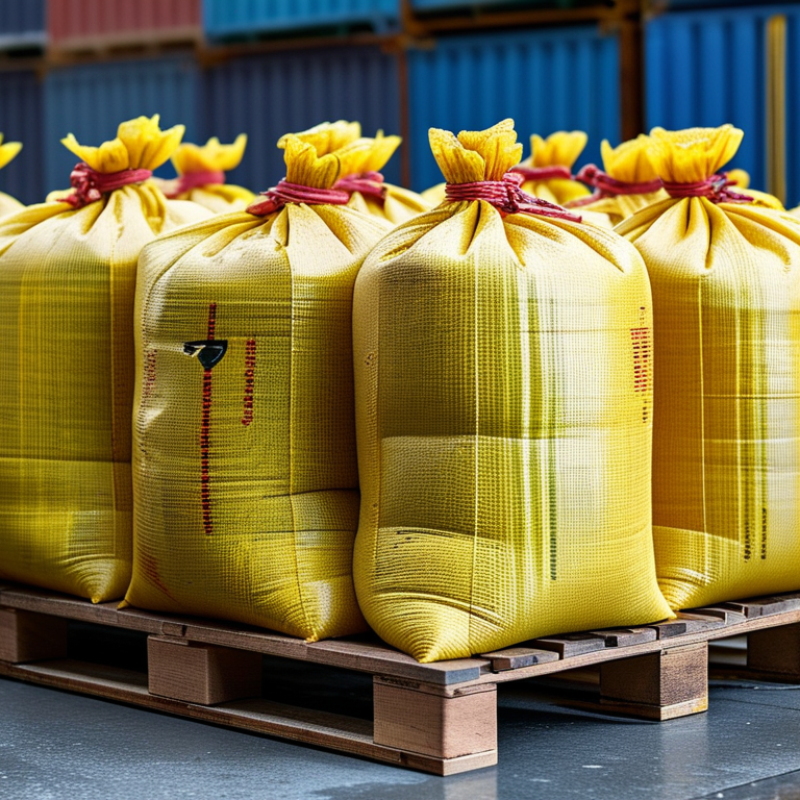
Heavy Duty Woven Sacks are designed for demanding global shipping conditions. They are made from tightly woven polypropylene tapes, which provide strength without excessive weight. The right sack should match the cargo, filling method, stacking height, and transport distance.
Check the fabric weight, seam quality, and safe working load before ordering. A sack holding dense powder needs stronger construction than one carrying lightweight agricultural materials. Look closely at the bottom seam. Uneven stitching can open under pressure, especially during forklift handling. The opening also matters. A wide mouth speeds filling, while a secure closure helps control dust and moisture.
Small details matter.
For ocean freight, consider laminated or coated fabric when humidity is likely. However, coatings can increase cost and reduce flexibility. Ventilated designs may suit dry goods, but they are not ideal when protection from moisture is essential. Always request production samples and test them with the actual cargo. Drop tests, stacking trials, and compression checks reveal weaknesses that specifications may hide.
Load stability is another practical concern. Sacks should sit evenly on pallets, with no sharp edges pressing against the fabric. Clear markings can support warehouse control and reduce handling mistakes. Packaging requirements may differ between countries, so shipping teams should verify current import, labeling, and material rules before dispatch. The strongest sack is not always the best choice. An oversized design may waste space and increase freight costs. Careful testing often produces a better result than simply choosing the thickest material.
Identifying Cargo Requirements and Bag Specifications
Choosing Heavy Duty PP Woven Bags for global shipping starts with the cargo, not the bag catalog. Record the material, weight, moisture sensitivity, dust level, and loading method. A 25-kilogram dry powder needs different protection from sharp rubble or damp agricultural goods. Measure pallet height and container clearance before ordering. Small errors become expensive quickly.
For dense or abrasive cargo, Heavy Duty Woven Rubble Sacks should use strong woven fabric, reinforced seams, and a secure closure. Check the bag’s safe working load, safety factor, liner option, and lifting design. Flat handles may suit manual handling, while loop configurations can support controlled equipment use. Ask for sample testing with your actual fill material. A warehouse trial can reveal seam stress, stretching, and awkward discharge points. Do not trust appearance alone. A thick-looking bag may still have weak stitching. Specifications are sometimes accepted too quickly, then revised after testing.
Tips: Match bag dimensions to the filling head and pallet pattern. Request test data for drop, compression, and moisture exposure. Confirm printing, traceability, and storage conditions. Keep bags dry and away from direct sunlight. If cargo behavior is uncertain, choose a conservative load rating and test again.
Comparing PP Woven Bag Materials, Coatings, and Construction
Heavy Duty Woven Polypropylene Bags must survive salt air, crane handling, and uneven pallets. UNCTAD’s Review of Maritime Transport reports that over 80% of global merchandise trade by volume moves by sea. That distance exposes weak packaging quickly. Woven polypropylene offers a strong strength-to-weight balance. Higher denier yarns improve tear resistance, while tighter weaving limits product leakage. However, fabric alone is not enough.
Uncoated bags suit dry, low-risk materials and allow better breathability. Laminated PP adds a smooth moisture barrier and sharper printed surfaces. For rain-prone routes, an inner liner can protect powder from humidity. Coatings may reduce slip between stacked bags, but excessive smoothness can destabilize pallets. Sewn construction deserves equal attention. Reinforced corners, folded hems, and strong lifting loops reduce stress at loading points. ISO 21898 provides useful guidance for flexible intermediate bulk container design, where applicable. The OECD’s Global Plastics Outlook identifies packaging as the largest source of plastic waste, representing about 40% of plastic waste. Reuse and recoverability should influence material choices.
Tips: Request a seam-strength test, drop test, and moisture trial using your actual fill weight. Inspect one filled bag after forklift handling. Look for stretched seams, powder dust, or distorted loops. Ask for denier, coating weight, and fabric basis-weight data, not vague “heavy duty” claims. A bag can look impressive and still fail at the needle line. I have seen this overlooked. Reflect on stacking height, pallet friction, and storage time before approving production. Include Heavy Duty Woven Polypropylene Bags in your specification, but define performance by measured results.
Selecting the Right Bag Size, Capacity, and Closure Type
When choosing heavy-duty PP woven bags for global shipping, size should follow the cargo and the transport route. UNCTAD’s Review of Maritime Transport reports that more than 80% of global merchandise trade by volume moves by sea. Bags therefore face stacking, vibration, humidity, and repeated handling.
Measure the product’s bulk density before selecting capacity. A 1,000-kilogram bag may hold very different volumes of grain, minerals, or powdered materials. Check the safe working load, filling ratio, and pallet footprint together. ISO 668 provides container dimensions, but usable space decreases with pallets, liners, and door clearance. A 90 × 90 centimeter footprint can improve pallet stability, yet it may waste space in another loading plan. Small errors compound.
Closure type should match filling and discharge equipment. An open top is practical for manual loading, while a duffle top supports quicker filling and better coverage. Spout closures offer controlled discharge and reduced product loss. For dusty cargo, a fitted liner and secure top closure deserve attention. ISO 21898 specifies performance and testing principles for flexible intermediate bulk containers, including construction and marking. ASTM D4169 also provides distribution-testing guidance for shipping hazards. I have seen attractive bag designs fail because the discharge spout was too narrow. Test it under real conditions. A laboratory result is useful, but it cannot replace a trial shipment. Recheck seams, lifting loops, and closure security after stacking. No design is perfect.
How to Choose Heavy Duty PP Woven Bags for Global Shipping - Selecting the Right Bag Size, Capacity, and Closure Type
Capacity figures are typical planning ranges for dry, free-flowing goods. Actual performance depends on product density, moisture, filling method, fabric construction, seam strength, stacking pattern, and applicable transport regulations.
Evaluating Strength, Safety, and International Shipping Standards
How to Choose Heavy Duty PP Woven Bags for Global Shipping
A heavy duty PP woven bag must survive lifting, stacking, vibration, and humidity. Start with the tested safe working load, not the advertised fabric weight. ISO 21898 provides a recognized framework for flexible intermediate bulk container design, testing, and handling. Ask for test records covering top-lift strength, seam performance, drop resistance, and repeated handling. A bag may look strong, yet fail at the stitching.
Safety also depends on design details. Reinforced corners, dust-proof seams, suitable liners, and clear handling labels reduce avoidable damage. The International Maritime Organization’s Cargo Transport Unit Code stresses proper packing, load distribution, and restraint during transport. Do not overfill a bag to save space. It can distort the pallet and increase instability. Small errors become expensive at a busy port.
Material selection should consider both shipment conditions and environmental responsibility. The OECD Global Plastics Outlook (2022) reported that packaging represents about 40% of global plastic waste. Reusable PP bags can reduce material consumption, but only when inspection and cleaning are realistic. Check UV resistance for outdoor storage and moisture protection for long sea routes. One practical weakness remains: laboratory results do not perfectly predict rough handling. Trial shipments and documented inspections are still necessary. A certificate helps. Evidence from actual loading matters more.
Checking Moisture Protection, Stacking Performance, and Durability
When selecting Heavy Duty PP Woven Bags for global shipping, inspect moisture protection before appearance. A laminated inner layer can reduce humidity exposure during ocean transit. However, lamination quality varies. Check the seal, coating, and stitching for pinholes, loose threads, or uneven edges. Place a sample bag in a humid area, then inspect the inner surface after several hours. This simple test is useful, but it cannot replace laboratory moisture testing.
Stacking performance depends on fabric strength, bag shape, and filling consistency. Bags should stand evenly on pallets without leaning or bulging. Ask for compression or load-bearing test data when shipping dense goods. A practical trial is stacking filled bags for several days and checking corner deformation. Small changes matter. Pallet movement can expose weak seams. Durability also depends on handling, not only material thickness. Rough hooks, sharp pallet boards, and repeated dragging may damage even strong fabric. Do not confuse a woven shipping bag with a Heavy Duty Food Vacuum Sealer pouch; they serve different packaging purposes.
Tips: Choose reinforced seams, stable dimensions, and clear load limits. Keep bags away from standing water during storage. Test the actual cargo weight, pallet pattern, and route conditions. I would also record failures, even minor ones. A bag that passes one trial may still need improvement in colder, wetter, or longer shipments.
How to Choose Heavy Duty PP Woven Bags for Global Shipping
Use these practical procurement benchmarks to compare moisture protection, stacking performance, and durability before approving a bag for international transport. Actual performance should be confirmed through laboratory testing under the intended load and climate conditions.
The chart uses a 0–100 screening index: higher values indicate stronger suitability for the listed shipping requirement. Moisture protection includes liner or coating effectiveness, stacking performance reflects load stability and compression resistance, and durability covers seam strength, puncture resistance, and handling abuse.
Verifying Suppliers, Quality Control, and Shipping Compliance
How to Choose Heavy Duty PP Woven Bags for Global Shipping
Verifying a supplier requires more than comparing online prices. Request registration documents, factory photographs, production records, and recent quality reports. Ask whether the factory controls weaving, lamination, printing, stitching, and packing internally. A video call can reveal storage conditions, machine cleanliness, and material handling. Shortcuts fail. Request production samples from the same material grade and construction planned for your order.
Quality control should match the cargo. Check fabric weight, tensile strength, seam strength, dimensions, coating uniformity, and closure performance. Fill test bags with the intended load, then stack them on pallets for several days. Inspect corners, stitching, and lifting points afterward. A single perfect sample proves little. Use batch-based inspections, retained samples, and clear acceptance limits. Lot numbers should connect each shipment to inspection records. The checklist may still need revision after the first shipment.
Shipping compliance depends on accurate information. Confirm bag dimensions, gross weight, packaging method, product description, and labeling before booking freight. Check destination rules for markings, recycled-content claims, packaging materials, and import documentation. Do not assume requirements are identical across countries. Ask a qualified customs professional to review uncertain points. Keep invoices, packing lists, test records, and certificates consistent. Moisture can damage outer packaging during long transit, so use suitable pallet wrapping and protected storage. A practical oversight is forgetting spare bags for inspection or repacking. That small omission can create avoidable delays.
PP Woven Sacks for Flour, Grain and Agriculture: Insights from FAO and Smithers Industry Reports
Polypropylene (PP) woven sacks remain a practical packaging solution for flour, grain, seeds, and other agricultural commodities. Their woven structure provides a strong balance of tensile strength, light weight, ventilation, and resistance to ordinary handling stress. According to the FAO’s *Food Outlook*, global cereal production and trade continue to operate at substantial volumes, increasing the need for dependable packaging that supports storage, transport, and distribution while helping reduce product loss. PP woven sacks can be produced in customizable sizes to suit different filling capacities, pallet configurations, and warehouse requirements.
Industry analysis from Smithers also highlights continuing demand for flexible packaging in food and agricultural supply chains, driven by cost efficiency, transportability, and improved material performance. For flour and grain applications, sack construction may be adapted with laminated surfaces, secure stitching, and optional inner liners to help limit moisture and contamination risks. Customizable color allows clear product differentiation, inventory organization, and consistent presentation across agricultural product lines. When selecting sacks, buyers should evaluate fabric strength, seam quality, closure method, printing requirements, and compatibility with automated filling equipment to ensure reliable performance from production through final delivery.
FAQS
They are made from tightly woven polypropylene tapes for demanding shipping conditions. They offer strength without excessive weight. Small details matter.
Match the bag to the cargo, filling method, stacking height, and transport distance. Dense powders usually require stronger fabric and seams than lightweight materials. The thickest bag is not always the best choice.
Check fabric weight, tensile strength, dimensions, seam quality, closure performance, and safe working load. Inspect the bottom seam carefully. Uneven stitching may fail during forklift handling.
Laminated or coated fabric can improve protection during humid ocean freight. It may increase cost and reduce flexibility. Ventilated fabric suits dry goods, not moisture-sensitive cargo.
A wide mouth can speed filling. A secure closure helps control dust and moisture. Test the closure with the actual material before placing a large order.
Fill sample bags with the intended cargo. Perform drop tests, stacking trials, and compression checks. Test the real load. Specifications alone may hide weaknesses.
Place bags evenly on pallets, without sharp edges pressing against the fabric. Check corners, seams, and lifting points after several days. Poor load stability can damage otherwise strong bags.
Request registration documents, factory photographs, production records, and recent quality reports. Ask who controls weaving, coating, printing, stitching, and packing. A video call may reveal poor storage or careless material handling.
Use batch-based inspections, retained samples, lot numbers, and clear acceptance limits. Link every shipment to inspection records. One perfect sample proves little.
Confirm dimensions, gross weight, packaging, product descriptions, labels, and import documents before booking freight. Requirements differ between countries. Do not guess.
Use suitable pallet wrapping and protected storage during long transit. Keep invoices, packing lists, test records, and certificates consistent. Spare bags are easy to forget, but they can prevent delays.
Conclusion
Choosing the right Heavy Duty Pp Woven Bag is essential for protecting cargo throughout global shipping. Start by assessing the product’s weight, density, shape, filling method, handling conditions, and expected journey. These factors determine the suitable bag dimensions, load capacity, fabric strength, coating, stitching, and closure type. Options such as laminated or coated materials may improve resistance to moisture, dust, and abrasion, while reinforced seams and secure closures can support safer handling and reduce product loss.
A reliable selection process should also evaluate stacking performance, puncture resistance, UV exposure, storage conditions, and repeated handling. Confirm that the bags are produced under consistent quality-control procedures and meet the required packaging, safety, labeling, and transportation standards for the destination markets. Before placing an order, verify supplier capabilities, inspect samples, review test results, and clarify production tolerances, inspection methods, packing arrangements, and shipping documentation. This careful approach helps ensure dependable performance, efficient logistics, and better cargo protection from packing to final delivery.