In today’s really competitive market, picking the right factory for your custom high-quality Storage Woven Sack is more important than ever. Industry chatter and reports are buzzing about how the woven sack scene is booming, with estimates hinting at a 5% growth rate each year up until 2026. But with that growth, manufacturers are also finding it tougher to hit those quality and sustainability marks. As Richard Lee from the International Packaging Association puts it, “Choosing a credible factory isn’t just a good idea — it’s essential for making sure your products perform well and stay eco-friendly.”
Honestly, though, making this choice isn’t straightforward. Lots of companies tend to overlook some really important stuff, like the actual quality of materials or whether the factory can scale up production when needed. And with more and more folks wanting eco-friendly packaging options, it’s super important to partner with a factory that uses sustainable materials. Sadly, not all of them do, and a recent survey found that nearly 40% of people aren’t happy with their current suppliers.
In an industry where the quality of your packaging can make or break your brand’s reputation, finding the right factory can turn out to be a real game-changer. A solid partner ensures your Storage Woven Sack ticks all the boxes — meeting both what you want and what the market demands. But let’s be honest, the process of finding that perfect fit can feel overwhelming and sometimes pretty uncertain. Often, companies have to step back and re-evaluate what's truly important to make smart, informed choices.
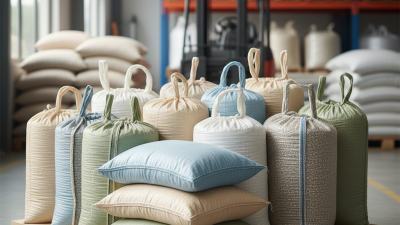
Custom high-quality storage woven sacks are essential for many industries. They provide durability and protection for various products. These sacks can withstand harsh environments, ensuring that contents remain safe. High-quality materials enhance their strength and longevity. This is crucial for businesses aiming to maintain product integrity.
When selecting a manufacturer, consider the quality of materials used. It impacts the final product. A factory should offer a range of options to match your needs. Pay attention to the weaving technique; a tighter weave often indicates better strength. Look for details in the stitching, which can reveal craftsmanship quality. Small imperfections can lead to major issues later.
Quality control is another vital factor. Regular testing ensures that the sacks meet industry standards. Seek transparency during the production process. This could reveal areas where improvement is needed. A factory that values feedback shows commitment to excellence. Remember, even a small oversight can compromise the effectiveness of woven sacks. Choose wisely to avoid potential setbacks.
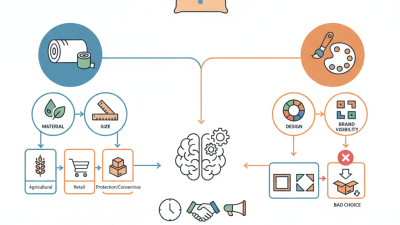
When selecting a custom high-quality woven sack manufacturer, focus on key features. First, consider the materials used. Quality fabrics ensure durability and effectiveness. Look for sacks that use eco-friendly materials. This is not only sustainable but also safe for your products.
Next, examine the production process. A reliable factory should have modern technology and skilled workers. Ask about their quality control measures. It's essential to ensure that the sacks are tested for strength and usability. A lack of transparency in this area can be a red flag.
Lastly, communication is vital. A good manufacturer should be responsive and open to feedback. If they ignore your questions, consider it a warning sign. Remember, a successful partnership depends on clear dialogue. Ultimately, taking the time to evaluate these aspects will help you choose wisely.
When selecting a custom woven sack factory, assessing production capabilities is crucial. Industry reports indicate that the global woven sack market is expected to reach USD 4.3 billion by 2026. This growth emphasizes the need for factories with advanced manufacturing processes. A facility's capability in producing diverse sack types impacts market competitiveness.
Key factors to consider include production volume and speed. A factory should provide realistic lead times. For instance, a capacity of 20,000 sacks per day is often a benchmark for larger operations. However, some smaller factories might excel in unique designs but lack the efficiency of their larger counterparts. Quality control processes are vital. Statistically, up to 30% of woven sacks can fail quality tests when not adequately monitored.
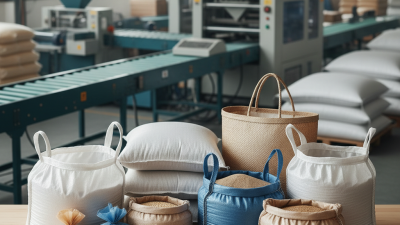
Another aspect is technological integration. Factories using automation can reduce human error and increase precision. Yet, not all facilities adopt modern technology. This can lead to inconsistent product quality. It’s essential to evaluate how well a factory balances technology and traditional methods. The right approach often reflects the factory's overall commitment to quality and reliability.
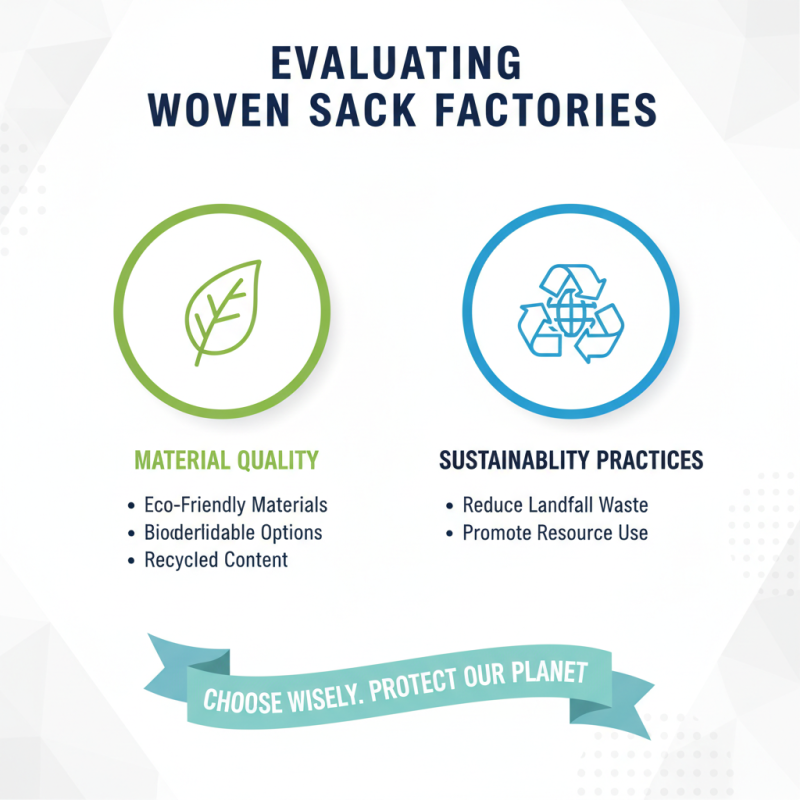
When selecting a custom high-quality storage woven sack factory, material quality and sustainability practices deserve careful consideration. Look for factories that prioritize eco-friendly materials. Biodegradable materials and recycled options show a commitment to the environment. These choices can reduce landfill waste and promote sustainable resource use.
Assess the production processes used in the factory. High-quality factories often invest in cleaner technologies to minimize pollution. It's vital to inquire about certifications or standards they meet. However, not all factories openly share this information. This lack of transparency can lead to challenges in verifying their claims.
Consider the lifecycle of the products offered. A truly sustainable factory evaluates how materials impact the environment from production to end-use. Remember, some companies may highlight sustainability but may not follow through consistently. Ask questions, seek documentation, and reflect on their practices before making a decision. Be aware that making the right choice requires diligence.
When selecting a custom high-quality storage woven sack factory, comparing prices is crucial. Industry reports indicate that prices can vary significantly among manufacturers. On average, prices range from $0.10 to $0.30 per sack, depending on materials and customization. A factory with lower prices may compromise quality, so careful consideration is essential.
Minimum order quantities (MOQs) present another key factor in your decision. Many factories set MOQs between 1,000 to 5,000 sacks. Lower MOQs attract smaller businesses but may result in higher per-unit costs. Research shows that factories with higher MOQs often offer better pricing. However, small businesses must weigh their financial capacity against these requirements.
Quality control is paramount. In a recent survey, 20% of buyers reported concerns over manufacturing defects. Factories promising low costs might cut corners on inspections. Finding a balance between price and quality is challenging. Assessing reviews and requesting samples offers insight into the factory's reputation. Also, consider the cost of shipping and logistics which can add up. Always seek clarity on these factors before committing.
| Factory Location | Price per 1000 sacks | Minimum Order Quantity (MOQ) | Production Time (Days) | Custom Design Options |
|---|---|---|---|---|
| China | $150 | 500 | 15 | Yes |
| India | $120 | 300 | 20 | Yes |
| Vietnam | $135 | 1000 | 18 | No |
| Turkey | $140 | 400 | 14 | Yes |
Choosing the right custom high-quality storage woven sack factory involves careful evaluation of customer feedback. Reviews can reveal much about a factory's reputation. A study by Market Research Future indicates that 70% of consumers rely on online reviews before making a purchase. This data highlights the importance of understanding what others say about a factory’s products.
It’s beneficial to explore different platforms for reviews. Websites like Trustpilot or industry-specific forums can provide insights into customer experiences. Look for patterns in feedback. Are customers satisfied with durability? Do they mention good customer service? A factory with consistent positive reviews may be a safer choice.
Tips: When assessing feedback, pay attention to the number of reviews and the recency. A factory might have a stellar reputation built years ago, but recent negative feedback can indicate problems. Look beyond the stars and read the words. Often, the details reveal the truth. Look for transparency in responses to negative comments; a factory that addresses issues openly may be a better partner.
Consider the volume of production intended. Factories that specialize in larger orders often have different customer experiences than those focusing on smaller batches. This can affect service quality and turnaround times.
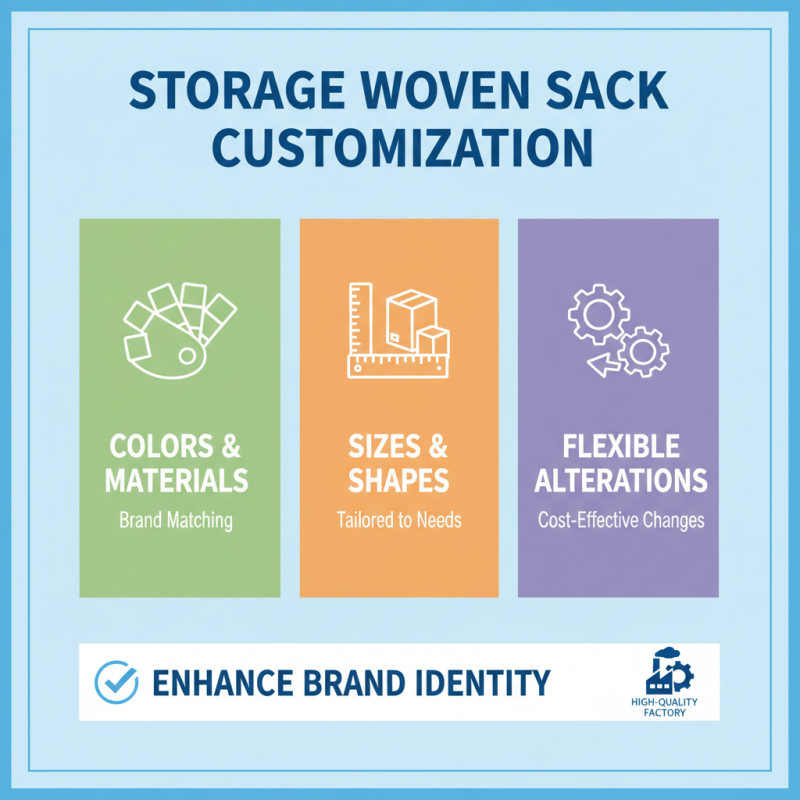
When choosing a custom high-quality storage woven sack factory, design flexibility is crucial. A factory that offers diverse customization options can meet various needs. You might want specific colors, sizes, or materials. A good factory should allow alterations without excessive costs. This enhances product appeal and ensures it fits your brand identity.
Try to visualize your ideal sack's texture and durability. Ask for samples before committing. This will give you a tangible sense of quality. Think about practical uses for the sacks. Will they hold heavy items or delicate ones? Understanding this helps in making better choices.
However, not every factory excels in every aspect. Some may have design limitations. Others may struggle with consistent quality. It's essential to reflect on these shortcomings. Regular communication with the factory can help overcome challenges. Be prepared to adapt your vision based on their capabilities. A collaborative approach often yields the best results.
: Focus on quality fabrics. Eco-friendly materials are ideal as they are safe and sustainable.
A reliable factory should use modern technology and skilled workers. This ensures durable sacks.
Inquire about testing for strength and usability. Lack of transparency may indicate potential issues.
A good manufacturer responds promptly to inquiries. Ignoring questions can be a warning sign.
Prices generally range from $0.10 to $0.30 per sack, depending on materials and customization level.
Most factories set MOQs between 1,000 to 5,000 sacks. Lower MOQs may increase unit costs.
Factories with low prices might cut corners on quality. Review buyer feedback and request samples.
Yes, shipping and logistics can add significant expenses. Always clarify these costs before ordering.
Higher MOQs often offer better rates, but they may strain smaller budgets. Evaluate your financial capacity.
Assess reviews and evaluate transparency. A reliable partner values your concerns and communicates well.
When selecting the best manufacturer for custom high-quality storage woven sacks, it is essential to understand their significance in various industries. Key considerations include the manufacturer’s production capabilities, the quality of materials used, and their sustainability practices, ensuring that the woven sacks are both durable and environmentally friendly.
In addition to assessing the quality, it is crucial to compare prices and minimum order quantities while also reviewing customer feedback to gauge the manufacturer’s reputation. Furthermore, exploring customization options and design flexibility allows businesses to tailor storage woven sacks to meet their unique requirements effectively. By focusing on these aspects, companies can make informed decisions and choose the most suitable factory for their storage woven sack needs.