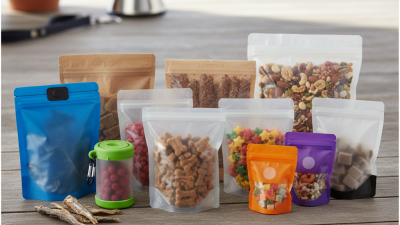
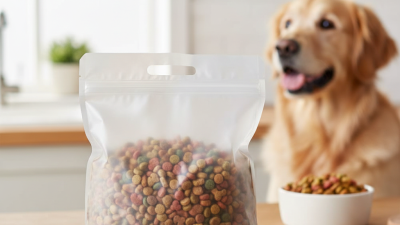
China’s nut packaging scene has really grown recently, thanks to the increasing demand for roasted almonds, pistachios, walnuts, and a variety of snack mixes. If you're looking for a reliable supplier of printed nut food bags, keep in mind—it’s not just about eye-catching designs. A good supplier should also manage food-contact materials well, ensure strong seals, guard against odors, print accurately, and keep delivery consistent. After all, you don’t want your nuts getting ruined because of packaging issues.
According to reports from Smithers on flexible packaging, the hot trends are high-barrier films, recyclable structures, and lightweight formats. The Flexible Packaging Association also highlights that packaging needs to perform well, protect your product properly, and use responsible materials. This stuff really matters for nuts, since oxygen, moisture, light, and rough handling during transport can quickly spoil their freshness. And let’s be honest—you really don’t want a weak seal to spoil an otherwise perfect batch.
In this guide, I’ve rounded up China’s top 10 printed nut food bag suppliers based on practical buying points like how experienced their factories are, how flexible they are with customization, their quality control systems, export support, minimum order requirements, and evidence of solid production management. You’ll see different formats listed, including stand-up pouches, flat bags, zipper pouches, and even the handy three-side sealed nut food pouch.
Just a heads-up: this list isn’t a government certification or anything official like that. It’s meant to help buyers compare and choose, focusing on what really matters. Though a supplier’s website might look super impressive, the real clues are in their samples. It’s a good idea to request migration safety data, batch records, seal test results, and clear material specs. Make sure to check how the pouch looks after filling, stacking, and shipping—it’s the little things that count.
And remember—no supplier is perfect. Some might rock the printing quality but have limited options for eco-friendliness. Others might offer excellent technical support but only want you to order big lots. The key is to verify every claim yourself—especially if you're dealing with premium nuts, private-label snacks, or long-distance shipping. Do your homework, and don’t be afraid to ask questions—that’s how you find a good fit.
What Are Printed Nut Food Bags and Why Do They Matter?
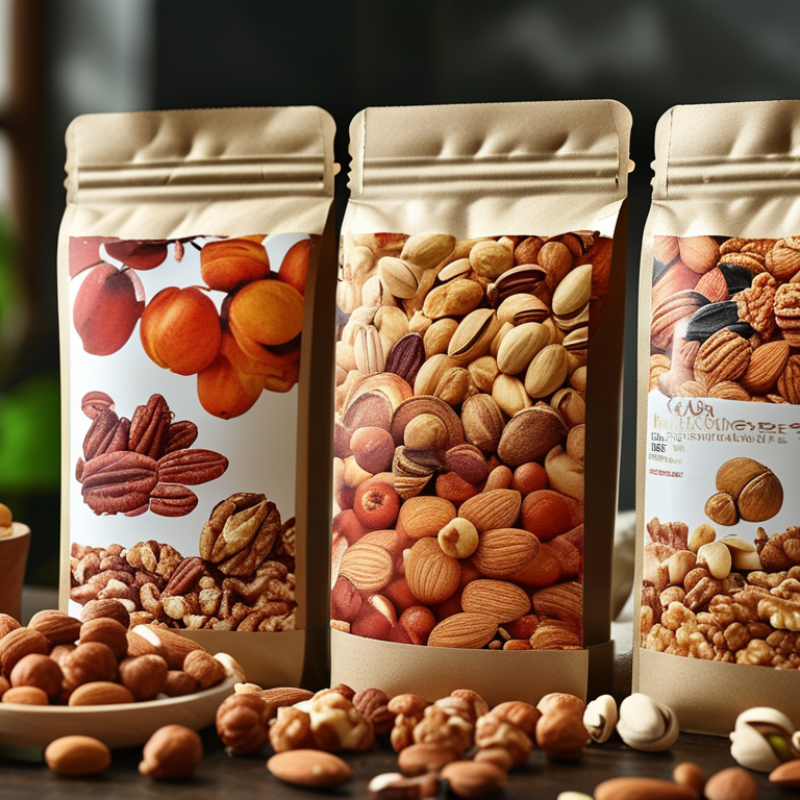
Printed nut food bags are flexible packages made for almonds, peanuts, cashews, and mixed nuts. They usually combine printed film with barrier layers that resist oxygen, moisture, light, and grease. A Three Side Sealed Nut Food Pouch uses three sealed edges and one opening, creating a practical format for filling, stacking, and retail display.
The design matters because nuts contain natural oils and can develop stale flavors when exposed to oxygen. FAO reported that 13.2% of food was lost between harvest and retail in 2022. Better packaging cannot solve every loss, but it can protect quality during storage and transport. UNEP’s 2024 Food Waste Index also estimated 1.05 billion tonnes of food waste in 2022. That figure makes material efficiency important. Flexible bags often use less material than rigid containers, though this claim needs proper life-cycle testing. Printing also supports traceability, nutrition details, lot coding, and clear freshness communication. Attractive graphics help, but performance comes first.
Tips: Check oxygen transmission, moisture transmission, seal strength, and ink safety. Ask suppliers for test reports, not promises. Matte film may feel premium, but it can show scratches. Small errors happen. Review pouch dimensions, filling temperature, and storage conditions before approving mass production. A supplier should explain whether the structure suits roasted, salted, or oil-rich nuts, because one film cannot reliably fit every product.
How to Identify China’s Top Printed Nut Food Bag Suppliers
How to Identify China’s Top Printed Nut Food Bag Suppliers
Identifying leading Chinese suppliers requires more than comparing online catalogs. Visit the factory when possible, or request a live video audit. Look for clean production areas, controlled storage, and clear batch records. Experienced suppliers should explain their film structure without vague promises. For example, a Cashew Nut Packing Pouch may need strong puncture resistance, a reliable zipper, and protection from oxygen and moisture.
Ask for recent samples made on the same equipment used for mass production. Check print sharpness, color consistency, seal strength, and odor. Rub the printed surface with a dry cloth. Then inspect the inner layer after filling and sealing. Request food-contact test reports, material specifications, and migration documents for your target market. Do not accept generic certificates with unclear dates or product references.
Production control matters as much as design quality. Ask how workers inspect seals, measure pouch dimensions, and handle rejected units. A dependable supplier should provide inspection records and a realistic corrective-action process. Confirm minimum order quantities, sampling fees, lead times, and packaging methods in writing. I have learned that a polished sample can hide weak communication. Ask difficult questions early. If answers change between sales staff and technicians, pause before ordering. A small trial order can reveal delivery discipline, print stability, and whether the supplier reports problems honestly.
China Top 10 Printed Nut Food Bag Suppliers? - How to Identify China’s Top Printed Nut Food Bag Suppliers
| Rank |
Anonymous Supplier Profile |
Common Bag Format |
Typical Material Structure |
Nut-Food Protection |
Documents and Certifications to Check |
Indicative MOQ |
Typical Lead Time |
Printing Capability |
Sustainability Options |
Key Qualification Evidence |
| 1 |
Profile A
High suitability
|
Stand-up zipper pouch |
PET/PE or PET/PE with metallized barrier layer |
Strong oxygen, moisture and light protection |
Food-contact declaration; HACCP or ISO 22000; migration test report |
10,000–30,000 bags |
25–40 days |
Rotogravure, up to 10 colors |
Recyclable mono-PE option may be available |
Production samples, seal-strength test and lot traceability |
| 2 |
Profile B
High suitability
|
Flat-bottom zipper bag |
BOPP/PE or PET/PE laminate |
Good shelf-life protection for roasted nuts |
BRCGS or equivalent food-safety evidence; ink compliance statement |
15,000–40,000 bags |
30–45 days |
High-resolution gravure printing |
Reduced-material designs and water-based ink options |
Color proof approval, odor test and finished-bag inspection |
| 3 |
Profile C
High suitability
|
Quad-seal side-gusset bag |
PET/MPET/PE or PET/AL/PE |
Very high barrier against oxygen and light |
Food-contact test report; allergen-control procedure; ISO 9001 evidence |
20,000–50,000 bags |
30–50 days |
Rotogravure with matte or gloss finish |
Material downgauging and recyclable outer-layer options |
Barrier test data, pouch-dimension report and seal inspection |
| 4 |
Profile D
High suitability
|
Three-side-seal snack pouch |
OPP/CPP or PET/CPP laminate |
Suitable for short-to-medium shelf-life products |
Declaration of compliance; GMP production records; migration testing |
8,000–25,000 bags |
20–35 days |
Gravure printing, custom artwork support |
Lightweight film structures and recyclable PP options |
Raw-material certificates and package seal testing |
| 5 |
Profile E
Suitable
|
Kraft-paper-look stand-up pouch |
Kraft paper/PET/PE laminate |
Good moisture barrier; light barrier depends on inner layer |
Food-contact statement; paper-source documentation; ink safety report |
10,000–30,000 bags |
25–45 days |
Flexographic or gravure printing |
Paper-look structure; recycling depends on local facilities |
Paper composition, adhesive compliance and odor evaluation |
| 6 |
Profile F
Suitable
|
Windowed nut pouch |
Paper/clear film laminate |
Moderate-to-good moisture protection; limited light protection |
Food-contact declaration; migration report for transparent window film |
15,000–35,000 bags |
30–45 days |
Four-to-eight-color custom printing |
Paper-forward appearance; composite recycling limitations apply |
Window-film testing and visual inspection for delamination |
| 7 |
Profile G
Suitable
|
Small portion sachet |
PET/PE or OPP/CPP |
Suitable for single-serve packs with controlled turnover |
Food-contact test report; filling-line compatibility confirmation |
30,000–100,000 bags |
25–40 days |
High-speed gravure printing |
Material reduction and mono-PP options may be evaluated |
Machine-running trial, tear-notch test and seal integrity data |
| 8 |
Profile H
Verify carefully
|
Recyclable mono-material pouch |
Mono-PE or mono-PP multilayer film |
Good moisture barrier; oxygen barrier varies by coating |
Recyclability assessment; food-contact declaration; coating test report |
20,000–60,000 bags |
35–55 days |
Gravure or digital printing, subject to volume |
Designed for compatible flexible-film recycling streams |
Independent barrier testing and end-market recyclability review |
| 9 |
Profile I
Verify carefully
|
Vacuum-style nut bag |
High-strength PA/PE or PET/PA/PE |
Strong puncture resistance and air-tight sealing |
Food-contact declaration; tensile and seal-strength test report |
15,000–40,000 bags |
30–50 days |
Rotogravure with custom finishes |
Lightweighting possible; multilayer recycling may be limited |
Vacuum-retention test, drop test and pinhole inspection |
| 10 |
Profile J
Verify carefully
|
Premium gift-style nut pouch |
PET/AL/PE or matte PET/PE laminate |
High barrier with premium appearance |
Food-contact compliance; color-management records; social-audit documentation |
10,000–30,000 bags |
30–50 days |
Matte varnish, spot gloss and metallic effects |
Recycled-content or downgauged structures subject to testing |
Pre-production sample, color tolerance and finished-pack audit |
Procurement note: MOQ, lead time, material structure and available certifications are indicative industry benchmarks for China-made printed nut packaging, not claims about any specific company. Before placing an order, request current certificates, food-contact migration reports, material specifications, production samples, audit records and independent packaging-performance test results.
What Materials and Structures Are Used in Nut Food Bags?
Nut food bags depend on barrier performance, seal strength, and practical filling conditions.
Smithers’ 2024 flexible packaging analysis identifies food as the largest end-use sector. The Flexible Packaging Association also reports that flexible packaging represents about 21% of the United States packaging market by value. These figures explain why printed pouches remain common among nut food bag suppliers.
Most roasted nuts use PET/PE or BOPP/PE structures.
The outer polyester or polypropylene layer provides print clarity and stiffness. The inner polyethylene layer creates a reliable heat seal. For longer shelf life, suppliers may add metallized PET or aluminum foil. These layers reduce oxygen, moisture, and light transmission. Nuts oxidize easily because of their natural oils. A high-barrier structure can therefore protect flavor and limit rancid notes.
Material choice is not only a laboratory decision. It must match filling speed, seal temperature, transport vibration, and recycling targets. ASTM D3985 oxygen testing and ASTM F88 seal-strength testing can verify performance. Reports from the Flexible Packaging Association emphasize lightweighting, but thinner films may reduce puncture resistance. That trade-off deserves more attention. Kraft-paper laminates look natural, yet they usually need plastic or foil layers for dependable moisture protection. Recyclable mono-PE structures are improving, although their stiffness and barrier performance may still disappoint for oily nuts. Tensile results can look excellent, while a weak seal fails in real distribution.
Which Printing and Customization Options Are Available?
When comparing China’s top ten printed nut food bag suppliers, review their printing and customization capabilities closely. Rotogravure printing suits large orders and delivers sharp images, smooth gradients, and stable color reproduction. Flexographic printing can reduce costs for simpler designs and shorter runs. Digital printing is useful for seasonal packaging, multiple flavors, or market testing.
Surface finishes create different shelf effects. Matte film gives a soft, premium touch, while gloss film makes nut images appear brighter. Spot varnish can highlight almonds, labels, or nutritional panels. Metallic effects and foil accents add contrast, but they may increase cost and complicate recycling plans. Ask for physical proofs, not only digital artwork. Screens can hide color differences.
Bag structure matters as much as artwork. Common options include stand-up pouches, flat-bottom bags, side-gusset bags, and resealable zipper formats. Clear windows help shoppers inspect the product, although they can affect light protection. Suppliers should provide food-contact material information, ink specifications, seal-strength data, and migration test records. Request packaging samples after production, because a laboratory sample may not match factory output. A beautiful sample can mislead.
Customization also includes tear notches, laser scoring, euro holes, degassing valves, embossing, and variable QR codes. Check whether the zipper closes smoothly after filling. Test the bag with real nuts, oil, crumbs, and transport vibration. Small details matter. I would also compare color tolerances, minimum order quantities, plate charges, lead times, and inspection procedures before approving a supplier.
How to Compare Supplier Quality, Certifications, and Production Capacity
China Top 10 Printed Nut Food Bag Suppliers?
How to Compare Supplier Quality, Certifications, and Production Capacity
Comparing the top ten suppliers requires more than checking attractive samples. Ask for material structures, thickness tolerances, food-contact declarations, and recent test reports. For Printed Food Bags, confirm whether the film, adhesive, ink, and zipper meet your target market’s requirements. Certifications such as ISO 9001 or BRCGS can indicate process control, but certificates should be verified with issuing organizations.
Request samples from the same production line, not only showroom pieces. Examine seal strength, odor, print alignment, scuff resistance, and barrier performance. A roasted nut pouch may need strong oxygen and moisture protection. Ask for oxygen transmission and water vapor test results. Also inspect the factory’s quality records, complaint handling, and batch traceability. Real evidence matters more than polished presentations.
Capacity needs careful checking. Review printing machines, lamination lines, bag-making equipment, shift schedules, and average monthly output. Ask how the supplier handles urgent orders without weakening inspection standards. Confirm lead times for cylinders, materials, sampling, and mass production. A factory may claim high capacity, yet shared equipment can create delays. I have found small details revealing: uneven seals, missing batch codes, or slow corrective responses. No supplier is flawless. The better partner admits weaknesses, documents improvements, and communicates problems before shipment.
This chart provides a practical screening framework for comparing printed nut food bag suppliers. The weighting emphasizes food-contact compliance, quality systems, production capacity, printing capability, and traceability. It is a neutral evaluation model and does not represent data from any specific company or brand.
What Are the Typical Costs, Minimum Orders, and Lead Times?
China’s printed nut food bag suppliers usually quote by size, film structure, printing colors, and order volume. For standard Printed Food Pouches, prices often range from $0.04 to $0.20 per bag. Small stand-up bags cost less than thick, high-barrier designs. Matte finishes, zippers, windows, and custom shapes increase the price. Some suppliers also charge cylinder or plate fees, commonly $50 to $200 per color.
Typical minimum orders range from 10,000 to 50,000 bags. A simple design may accept a lower quantity, but digital printing can cost more per unit. Rotogravure printing usually offers better pricing at larger volumes. Ask whether the quote includes artwork checks, sampling, packing, and delivery to your location. Details matter.
Production normally takes 15 to 30 working days after artwork approval and deposit payment. Samples may require 5 to 10 working days. Complex structures can take longer. During supplier evaluations, buyers should request material specifications, seal-strength data, and food-contact documentation. A clear production schedule is essential. Delays often begin with unclear artwork.
Cost estimates are not perfectly predictable. Exchange rates, resin prices, and seasonal factory demand can change quotations. I have seen buyers focus too heavily on unit price and overlook weak seals or inconsistent color. That decision becomes expensive later. Get a pre-production sample. Inspect it carefully.
How to Choose the Right Printed Nut Food Bag Supplier in China
Choosing the right printed nut food bag supplier in China requires more than comparing prices. The bag must protect against oxygen, moisture, light, and oil migration. Start by defining your nut type, filling weight, shelf-life target, and packing machine. A supplier experienced with roasted almonds may not understand the needs of oily peanuts.
Ask for material structures, food-contact declarations, and recent migration test reports. Request printed samples, not only digital artwork. Check color consistency, seal strength, odor, and zipper performance. Small details matter. A weak seal can ruin an entire shipment.
A reliable supplier should explain minimum order quantities, cylinder costs, production lead times, and quality controls clearly. During a factory audit, inspect raw-material storage, printing areas, and finished-bag sampling records. Confirm whether the supplier can provide batch traceability and inspection reports for every order. Communication also deserves testing; ask the same technical question twice and compare the answers. If details keep changing, treat that as a warning.
Do not select the lowest quotation too quickly. Cheap film, unclear specifications, or repeated delays may create higher costs later. A pilot order can reveal real problems, although it cannot predict every seasonal issue. Review the samples with your product, filling line, and warehouse conditions before approving mass production.
Wholesale Guide to 100ml–500ml Stand-Up Valve Pouches for Reusable Food and Liquid Packaging
Wholesale buyers looking for practical liquid packaging can consider 100ml–500ml stand-up valve pouches for food, beverages, sauces, concentrates, pastes, and household liquids. These preformed pouches combine a stable bottom gusset with a fitted spout and resealable cap, allowing users to pour or dose contents accurately while helping reduce spills. Their compact shape also makes them efficient to store, display, and transport compared with many rigid containers.
For reusable food and liquid packaging, material selection is important. Multi-layer films can be specified to provide suitable strength, flexibility, moisture resistance, and protection from light or oxygen when required. A hermetically sealed spout helps maintain product integrity during storage and shipping, while different opening diameters and cap styles can be matched to thick sauces, gels, drinks, or cleaning solutions. The 100ml–500ml range supports varied portion sizes, from individual-use formats to larger household packs.
When ordering wholesale, buyers should confirm pouch dimensions, filling compatibility, seal performance, printing requirements, spout position, and minimum order quantities. Testing should include leakage checks, drop resistance, cap fit, and repeated opening and closing. A stand-up valve pouch can offer co-packers a convenient filling format and give end users a lightweight package that is easy to handle, dispense, close, and potentially reuse when properly cleaned and suitable for the intended product.
FAQS
: Rotogravure printing suits large orders and detailed images. Flexographic printing works for simpler artwork and shorter runs. Digital printing supports seasonal flavors and market testing. Choose based on volume, detail, and budget.
Matte film feels soft and understated. Gloss film makes nut images appear brighter. Spot varnish can emphasize almonds or nutrition panels. Metallic effects add contrast but may complicate recycling. A beautiful finish can mislead.
Stand-up pouches provide strong shelf visibility. Flat-bottom bags offer a stable display base. Side-gusset bags hold larger volumes efficiently. Resealable zippers help protect opened nuts. Choose structure carefully.
Check tear notches, laser scoring, euro holes, and embossing. Variable QR codes may support batch-specific information. Test zipper closure after filling the bag. Use real nuts, oil, crumbs, and vibration during testing. Small details matter.
Request food-contact material information and ink specifications. Ask for seal-strength data and migration test records. Confirm material layers and thicknesses in writing. These documents support safer purchasing decisions. Do not guess.
Standard printed bags commonly cost about $0.04 to $0.20 each. Thick barrier films usually cost more than simple structures. Zippers, windows, matte finishes, and unusual shapes increase prices. Plate or cylinder charges may add $50 to $200 per color. Quotes can change.
Minimum orders often range from 10,000 to 50,000 bags. Simple designs may allow smaller quantities. Digital printing can reduce setup needs but increase unit costs. Large rotogravure orders often receive better pricing. Ask about every fee.
Production commonly requires 15 to 30 working days after approval and payment. Samples may take another 5 to 10 working days. Complex structures can extend the schedule. Unclear artwork often causes avoidable delays. Plan extra time.
Request physical proofs instead of relying only on digital artwork. Inspect samples after production, not only laboratory samples. Compare color tolerances and seal strength carefully. Check packing, delivery, inspection, and artwork fees. I would inspect twice.
Conclusion
Choosing the right Printed Nut Food Bag supplier in China requires more than comparing prices. This guide explains how printed bags protect nuts from moisture, oxygen, light, and contamination while also supporting product presentation and brand communication. It covers common materials and structures, including laminated films, barrier layers, stand-up pouches, flat bags, and resealable formats. Readers will also learn about available printing methods, colors, finishes, closures, windows, shapes, and other customization options.
The article provides a practical framework for evaluating suppliers through food-contact materials, quality control systems, certifications, production equipment, capacity, and communication efficiency. It also outlines the factors that influence costs, minimum order quantities, sampling procedures, and lead times. By comparing product requirements, packaging performance, supplier reliability, and long-term service, buyers can select a suitable Printed Nut Food Bag partner that delivers consistent quality, attractive packaging, and efficient production support.